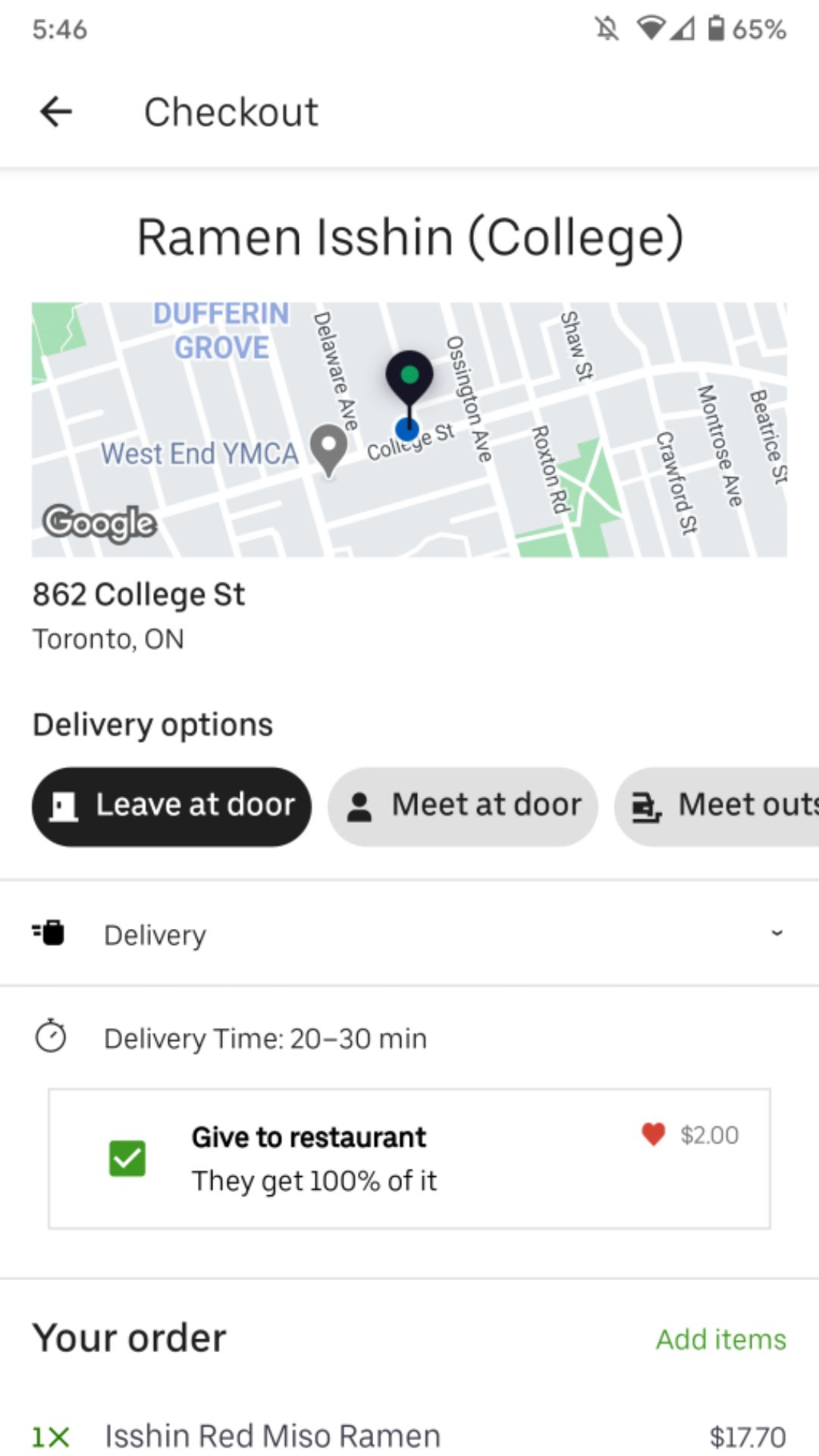
Last night, while dining at a local restaurant, I noticed something interesting. More people were ordering from Skip or Uber Eats than dining in. The restaurant was buzzing, yet the majority of its customers were invisible to me, sitting at home enjoying the same food. The experience was seamless, the food was amazing, and it made me wonder… what changed in the restaurant industry?
This observation led me to think about the broader economy and the future of food delivery. Then, I remembered a conversation with Travis Kalanick, Uber’s former CEO, on the All In Podcast. He spoke about the future of ghost kitchens, and it clicked. The world of food service is transforming in ways that are both exciting and disruptive.
Ghost Kitchens: The Revolution in Food Delivery
Ghost kitchens, also known as virtual kitchens, are professional cooking spaces that prepare food solely for delivery. Unlike traditional restaurants, they have no dine-in space, reducing costs for rent, décor, and staff. This allows businesses to focus entirely on production efficiency and delivery speed.
The rise of ghost kitchens is largely driven by platforms like Uber Eats, DoorDash, and SkipTheDishes.
The market for ghost kitchens is expected to grow exponentially as more consumers choose convenience over dining out.
For restaurants, this model provides an opportunity to expand without massive upfront investment. They can test new markets, experiment with limited menus, and reach more customers through delivery platforms without the overhead of a full restaurant.
Ghost Cooks: The Next Phase
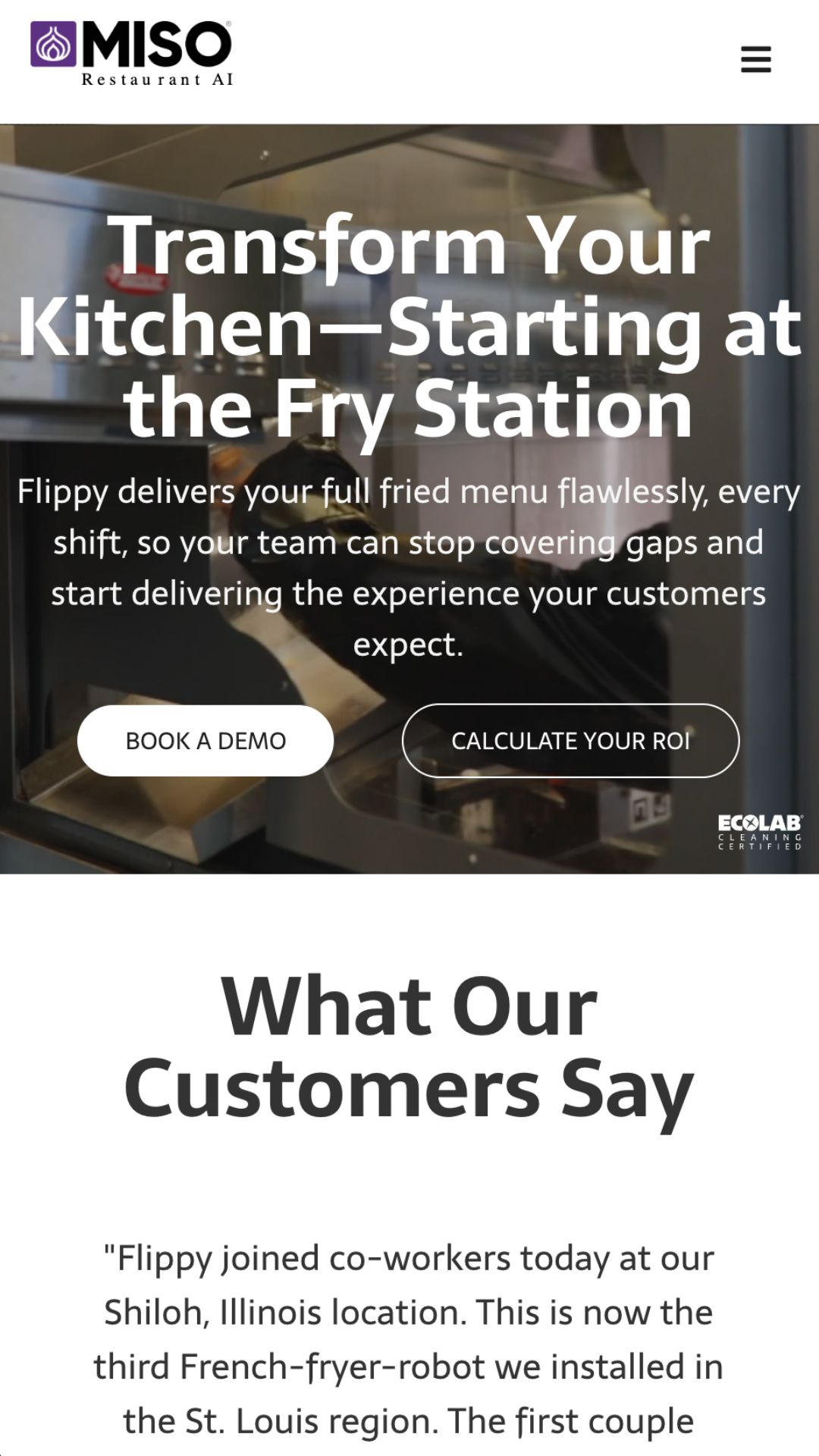
But ghost kitchens are just the beginning. The next logical evolution is what I like to call ghost cooks. Imagine kitchens staffed not by traditional chefs but by automated systems or robots capable of preparing meals efficiently and consistently. This concept may sound futuristic, but companies are already experimenting with automation in food preparation.
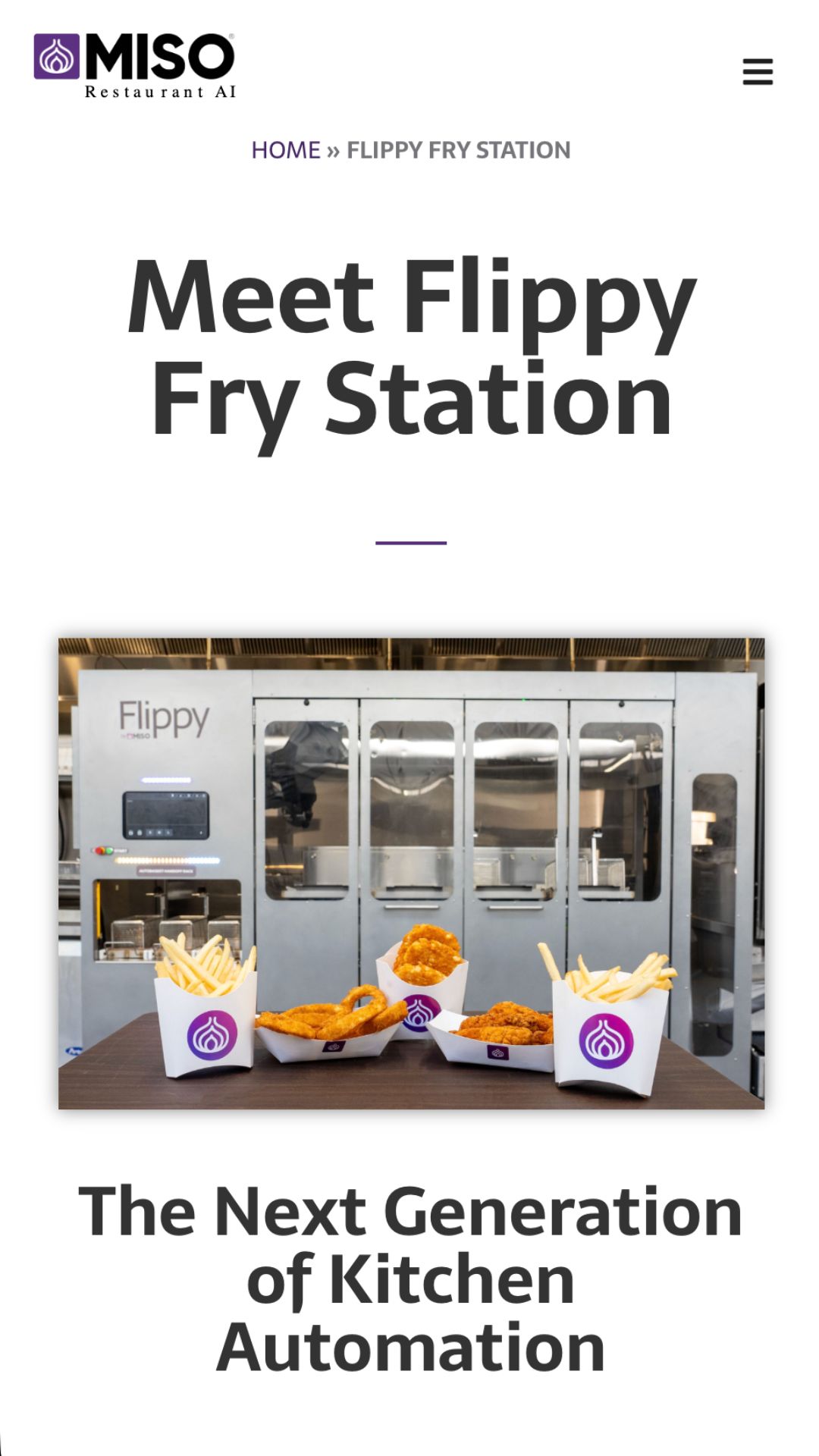
For example, Miso Robotics has developed robotic systems capable of flipping burgers, frying food, and even making pizzas with precision. Integrating these robots into ghost kitchens could drastically reduce labor costs, improve speed, and maintain high-quality standards for delivery orders.
This transition has enormous potential for franchises. They could launch small-scale, automated outlets with limited menus to test new markets. With minimal overhead and flexible locations, expanding becomes faster, cheaper, and less risky.
Uber and the Future of Food Delivery
Uber is uniquely positioned to take advantage of these changes. Beyond ride-sharing, Uber Eats has become a key player in the food delivery ecosystem. By partnering with ghost kitchens and embracing automation, Uber could significantly increase market share while helping restaurants scale efficiently.
The company’s strategy might include:
-
Partnering with ghost kitchens: Reducing the need for traditional dine-in spaces.
-
Supporting automation: Integrating robot chefs to cut labor costs and streamline operations.
-
Franchise-friendly models: Offering turnkey delivery options for brands looking to expand.
This vision aligns with broader economic trends. Consumers increasingly prioritize convenience and speed, and technology is making it easier than ever for businesses to meet these demands.
Benefits for Businesses and Consumers
The shift to ghost kitchens and automation offers several benefits:
- Lower Costs: Restaurants save on rent, staff, and operational expenses.
- Faster Delivery: Optimized kitchens and robotic systems can reduce preparation times.
- Market Testing: Franchises can experiment with new menus or locations without heavy investment.
- Consistency: Automated systems ensure consistent quality across multiple locations.
- Consumer Convenience: Customers enjoy restaurant-quality meals from home with minimal wait times.
For consumers, this could mean a more diverse and accessible range of food options. For businesses, it could transform profitability and growth potential.
Challenges Ahead
Despite the promise, challenges remain. Automation and ghost kitchens may face:
- Technological Limitations: Robots are efficient but still limited in flexibility compared to human chefs.
- Regulatory Hurdles: Health codes and labor regulations will need to adapt.
- Cultural Acceptance: Some customers value the human touch in food preparation and hospitality.
- Market Competition: As more companies adopt this model, standing out will require branding and innovation.
Even with these challenges, the potential for transformation in the food industry is immense.
The Bigger Picture
Uber’s evolution from a ride-sharing app to a delivery and logistics powerhouse mirrors larger economic trends. Automation, digital platforms, and consumer preferences are reshaping traditional business models. Ghost kitchens and ghost cooks are just one example of how industries can adapt to a rapidly changing environment.
For entrepreneurs and investors, the message is clear: embracing technology and flexible business models is no longer optional. Whether you are a restaurateur, a franchise owner, or an investor looking for opportunities, understanding these trends can guide better decisions.
Final Thoughts
The future of Uber and the food industry is fascinating. From ghost kitchens to robot chefs, the way we prepare, deliver, and consume food is undergoing a fundamental shift. Companies that adapt to these trends can benefit from lower costs, faster growth, and greater customer satisfaction.
Next time you order through Uber Eats or SkipTheDishes, remember: you may be participating in the early stages of a technological revolution that could redefine dining forever.