
Learn what happens when you sell a sole proprietorship in Canada, including taxes in BC, capital gains, and how a Section 85 rollover can reduce or defer taxes.
If you are operating your business as a sole proprietor in Canada and you are thinking about selling, it is important to understand how the process actually works from both a legal and tax perspective. Unlike selling a corporation, where you can often sell shares and access certain tax advantages, selling a sole proprietorship is much more straightforward but often less tax efficient.
In simple terms, when you sell a sole proprietorship, you are not selling a legal entity. Instead, you are selling all of the individual assets that make up the business. This distinction might seem small at first, but it has a significant impact on how much tax you end up paying and how the deal is structured.
Disclaimer: My lawyer has advised that I include this. The information shared here reflects my personal experience and opinions only. Tax situations vary for each person and business. This is not tax, legal, or financial advice. Please consult a qualified CPA before making any decisions.
Selling a Sole Proprietorship vs Selling a Corporation
One of the most common misunderstandings among business owners is assuming that selling a business is always the same process regardless of structure. In reality, there is a major difference between selling a sole proprietorship and selling a corporation.
If you want a deeper breakdown of how these structures impact a transaction, you can read our guide on share sale versus asset sale for Canadian businesses.
When you sell a corporation, you typically sell shares of the company, which allows the buyer to take over the entire entity including its assets, liabilities, and history. This type of transaction can open the door to valuable tax benefits, especially the Lifetime Capital Gains Exemption.
On the other hand, when you sell a sole proprietorship, there are no shares to transfer because the business is not a separate legal entity from you as the owner. Instead, you are selling individual components such as equipment, inventory, contracts, and goodwill. Because of this, each part of the sale is treated differently for tax purposes, which can make the overall tax outcome more complex and often less favorable.
How the Canada Revenue Agency Treats the Sale
From the perspective of the Canada Revenue Agency, selling a sole proprietorship is treated as if you are disposing of each asset at its fair market value. This means that even if you sell everything as part of one deal, the CRA still expects you to allocate the purchase price across different asset categories.
For example, the portion of the sale attributed to physical assets like equipment may trigger depreciation recapture, while the portion attributed to goodwill is typically treated as a capital gain. This allocation process is important because different types of income are taxed in different ways, and some are taxed more heavily than others.
If you want to learn more directly from the source, you can review the CRA’s capital gains guide here: https://www.canada.ca/en/revenue-agency/services/forms-publications/publications/t4037/capital-gains.html
Understanding Capital Gains in Canada

Capital gains are one of the main taxes you will encounter when selling your business. A capital gain occurs when you sell an asset for more than its original cost. In Canada, only 50 percent of a capital gain is included in your taxable income, which makes it more favorable than regular business income.
However, even though only half of the gain is taxable, that amount is still added to your personal income for the year. This can push you into a higher tax bracket, especially if the sale price is significant.
Example: Selling a Business in British Columbia
Let’s walk through a simplified example to give you a clearer picture of what this might look like in real life.
Imagine you earn about $80,000 per year from your business and you decide to sell it for $200,000. If most of that value comes from goodwill and your cost base is close to zero, then the full $200,000 is considered a capital gain.
Since only half of the capital gain is taxable, $100,000 would be added to your income. This means your total income for the year would increase to approximately $180,000 when combined with your regular earnings.
At that income level in British Columbia, your combined federal and provincial tax rate could fall somewhere between 30 percent and 45 percent depending on your specific situation. As a rough estimate, you might pay around $30,000 to $45,000 in tax on the sale.
While these numbers are simplified, they highlight an important point, which is that selling a sole proprietorship can result in a meaningful tax bill if you do not plan ahead.
Depreciation Recapture Can Increase Your Taxes
Another factor that often catches business owners off guard is depreciation recapture. Over the years, you may have claimed depreciation on equipment or other assets to reduce your taxable income. When you sell those assets for more than their depreciated value, the CRA requires you to “recapture” that depreciation.
This recaptured amount is not taxed as a capital gain. Instead, it is treated as regular income, which means it is fully taxable at your marginal tax rate. As a result, recapture can significantly increase your total tax liability depending on the type and value of assets involved in the sale.
Why Sole Proprietors Often Pay More Tax
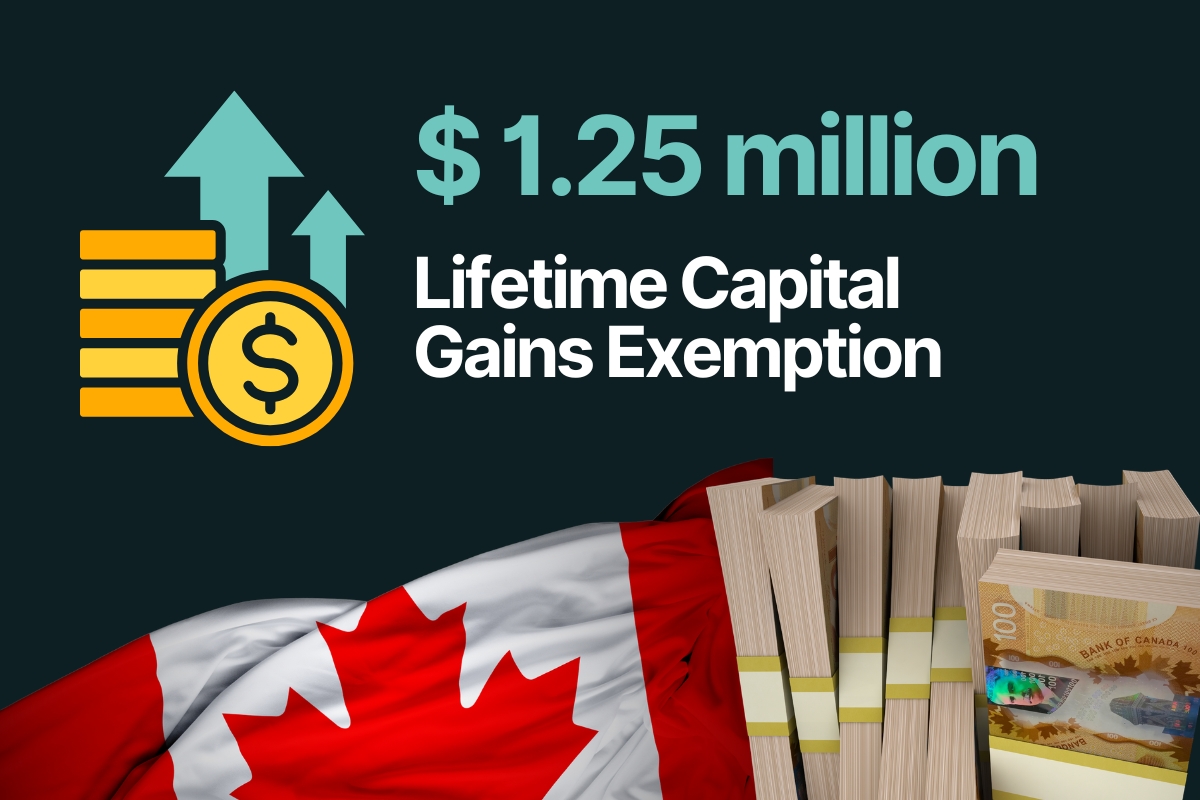
One of the biggest downsides of selling a sole proprietorship is that you generally do not qualify for the Lifetime Capital Gains Exemption. This exemption is only available when selling shares of a qualified small business corporation, not when selling assets directly.
Because of this limitation, many sole proprietors end up paying more tax than they would have if their business had been structured as a corporation ahead of time. This is why tax planning well before a sale becomes so important.
Using a Section 85 Rollover to Defer Taxes
A Section 85 rollover is one of the most effective tools available to reduce or defer taxes when transitioning from a sole proprietorship to a corporation. This strategy allows you to transfer your business assets into a newly created corporation without triggering immediate tax consequences.
Instead of recognizing a capital gain at the time of transfer, you can elect to transfer the assets at their original cost. In exchange, you receive shares in the corporation. Because the transfer happens at cost rather than fair market value, no gain is realized at that point.
You can read more about how this works from CPA British Columbia here: https://www.bccpa.ca/kbase/kbase-search/taxation/taxation/articles/tax-deferred-rollovers-under-the-income-tax-act-a-tax-advisors-best-friend/
How This Strategy Can Reduce or Eliminate Taxes
While a Section 85 rollover does not eliminate taxes on its own, it sets the stage for a much more tax efficient sale later on. Once your business is inside a corporation, you may be able to sell shares instead of assets.
If the corporation qualifies as a small business corporation and meets certain criteria, you could then access the Lifetime Capital Gains Exemption. This exemption allows you to shelter a large portion of your capital gains from tax, which can dramatically increase the amount you keep from the sale.
In some cases, with proper planning and timing, business owners are able to pay little to no tax on the sale of their business. However, this requires meeting strict eligibility requirements and should always be planned in advance with professional guidance.
When Should You Consider Incorporating Before Selling
Timing plays a critical role in making these strategies work effectively. If you wait until the last minute to incorporate your business, you may not meet the requirements needed to qualify for certain tax benefits.
Ideally, you should consider incorporating at least one to three years before you plan to sell. This gives you enough time to structure the business properly, meet eligibility criteria, and maximize your tax advantages.
Common Mistakes Business Owners Make
Many business owners unintentionally leave money on the table by not planning ahead. A common mistake is assuming that all business sales are taxed the same way, which leads to missed opportunities for tax savings.
Another frequent issue is failing to properly allocate the purchase price across different asset categories, which can result in higher taxes or complications with the CRA. Additionally, some owners try to handle everything themselves without consulting a professional, which can lead to costly errors that could have been avoided.
Key Takeaways Before You Sell Your Business
Selling a business as a sole proprietor in Canada is relatively simple from a legal standpoint, but it can be much more expensive from a tax perspective compared to selling a corporation. Without proper planning, a significant portion of your sale proceeds could go toward taxes.
The good news is that strategies like a Section 85 rollover can help you defer taxes and potentially access powerful exemptions down the road. The key is to start planning early and structure your business in a way that gives you the most flexibility when it comes time to sell.
If you are considering selling your business in British Columbia, taking the time to understand these concepts and working with the right professionals can make a substantial difference in your final outcome. You can also learn more about our process on our business selling services page.