Let’s be honest for a second. Most people are on their phones way more than they think.
The average person checks their phone over 100 times a day. On top of that, most adults spend around 3 to 4 hours per day on their phones, not including time spent on computers for work. That’s a significant portion of the day going toward small, fragmented interactions. Not just younger people either. This includes business owners, professionals, and anyone whose work is tied to communication.
At first, it feels harmless. Quick checks here and there. But over time, it adds up. You lose focus, your attention gets fragmented, and your brain gets used to constant stimulation.
What you end up with is a weird mix of feeling busy but not actually getting much done.
What Constant Phone Use Does to Your Mental State

This isn’t just about productivity. It affects how you think and feel throughout the day.
Every notification pulls your attention away from what you’re doing. Even if you don’t respond, your brain has already shifted gears. That constant switching makes it harder to get into deep work. In fact, research shows it can take up to 20 to 25 minutes to fully regain focus after a distraction. So even quick phone checks can have a much bigger impact than they seem.
There’s also the dopamine loop. You check your phone, get a small reward like a message or update, and your brain wants to repeat that behavior.
According to the Canada.ca, excessive screen time is linked to increased stress, sleep disruption, and lower overall well being.
Canadian data has also shown that higher daily screen time is associated with lower self reported mental health and increased stress, especially when it replaces sleep, exercise, or in person interaction.
Over time, you start to feel more distracted, more anxious, and less in control of your time.
It’s Not Just a Young Person Problem
A lot of people assume this is only an issue for teenagers or social media heavy users.
It’s not.
If anything, it’s worse for professionals. Your phone becomes your inbox, your office line, your messaging system, and your news feed all in one.
There’s no clear separation. You’re always “on.”
And that’s where the problem starts.
Systemizing Phone Use Instead of Relying on Willpower
If you rely on discipline alone, this won’t stick.
The better approach is to build systems that reduce how often you need your phone in the first place.
I’ve been working toward becoming more of an AI first company, and part of that shift is removing distractions and tightening up how communication flows.
That includes rethinking how I use my phone.
Here’s what that looks like in practice.
Practical Changes That Actually Reduce Phone Usage
Instead of trying to quit your phone cold turkey, these are structured changes that naturally reduce how often you reach for it.
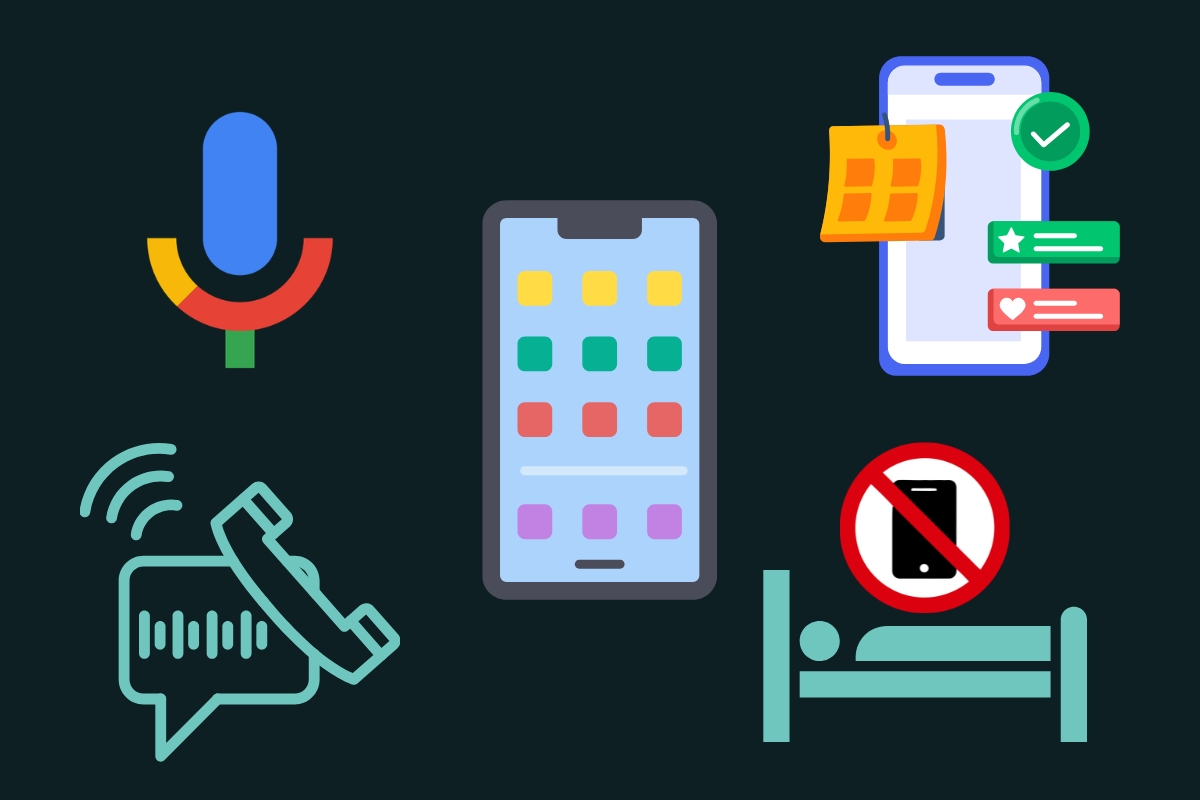
- Moving communication to Google Voice
By routing calls and texts through Google Voice, messages now appear directly on my computer instead of my phone. This removes the habit of constantly checking my device and keeps communication tied to my work setup. It also makes responses more intentional since I’m already in a working environment when replying. - Turning voicemails into text
Listening to voicemails slows everything down and usually requires you to stop what you’re doing. Converting them into text lets me quickly scan and prioritize messages without picking up my phone. It sounds like a small change, but it eliminates dozens of unnecessary phone interactions every week. - Removing non essential apps from my phone entirely
This has probably made the biggest impact. If an app isn’t critical, it’s gone. Social media, email, and other distractions are now only accessible on desktop. That added friction forces me to be intentional. I can still use these tools, but I’m no longer defaulting to them out of habit. A big portion of that time is spent on social media alone, where the average user can spend close to two hours per day scrolling, often without realizing how quickly that time adds up. - Using time tracking and app limiting tools
During work hours, only essential tools are accessible. Everything else is restricted. This removes the temptation to quickly check something and fall into a distraction loop. It also creates a clear structure for how my time is spent throughout the day. - Setting up do not disturb with clear rules
After hours, my phone goes into do not disturb mode automatically. Only a small group of contacts and critical apps can reach me. This creates a hard boundary between work and personal time, which is something most people struggle to maintain. - Creating a “phone parking spot” during work hours
Instead of keeping your phone in your pocket or on your desk, designate a specific place where it stays during focused work. This could be a drawer, another room, or even just across the office. The goal is simple. If it’s not within reach, you’re far less likely to check it out of habit. - Switching your phone to a minimal home screen
Remove all apps from your home screen except essential tools like calls or navigation. Everything else gets buried in folders or removed entirely. When your phone opens to a clean, distraction free screen, there’s nothing pulling you into a scroll session. - Logging out of distracting apps instead of just deleting them
If you’re not ready to fully remove certain apps, logging out adds friction. Having to re enter your password every time sounds minor, but it’s often enough to stop a quick, impulsive check from happening. - Using your phone in “batches” instead of constantly
Instead of responding to messages all day, group your phone usage into specific time blocks. For example, check messages mid morning, mid afternoon, and end of day. This keeps communication under control without letting it interrupt everything else. - Replacing your default “grab phone” moments
Everyone has trigger moments. Waiting in line, sitting in the car, short breaks between tasks. These are usually when the phone comes out automatically. Replacing those moments with something else, even just doing nothing or thinking, helps break the automatic habit loop. - Charging your phone outside the bedroom
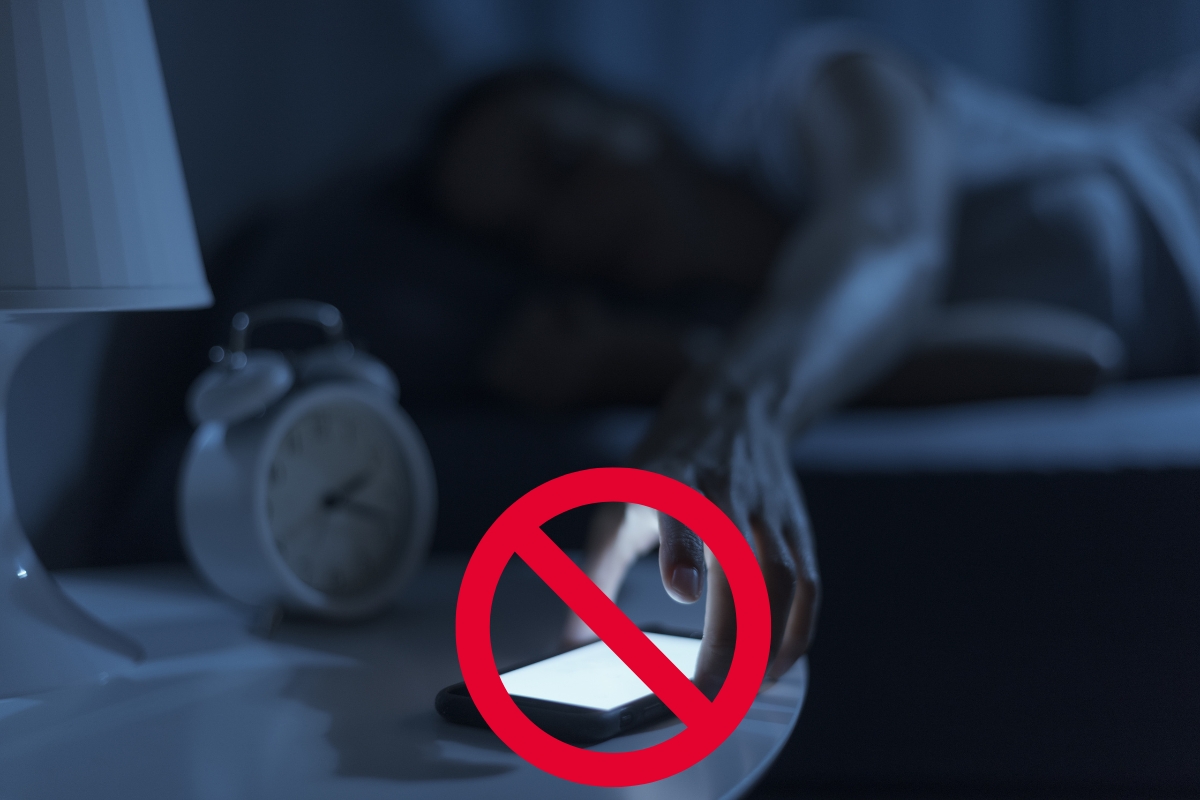
This removes both late night scrolling and the habit of checking your phone first thing in the morning. It creates a cleaner start and end to your day, without immediately jumping into notifications and messages. This is especially important since most people reach for their phone almost immediately after waking up, setting the tone for a reactive and distracted day.
Additional Ways to Cut Down Screen Time
On top of systemizing your setup, there are a few simple habits that can make a noticeable difference.
- Keep your phone physically out of reach
When your phone is always within arm’s reach, you’ll naturally pick it up without thinking. Putting it in another room or even just out of sight creates enough friction to break that automatic behavior. - Turn off non essential notifications
Most notifications are not urgent, even though they feel like they are. By turning them off, you reduce interruptions and take back control over when you check your phone instead of reacting every time it buzzes. - Use grayscale mode to reduce stimulation
Switching your phone display to grayscale makes apps less visually engaging. It removes the bright colors that are designed to keep you hooked, making scrolling less appealing over time. - Set specific times to check messages
Instead of constantly checking throughout the day, assign specific windows for reviewing texts, emails, and updates. This helps batch communication and keeps your focus intact during work sessions. - Replace the habit with something else
A lot of phone use comes from boredom. If you don’t replace that habit, you’ll fall back into it. Whether it’s reading, walking, or just taking a break without stimulation, having an alternative matters.
The Results So Far
Even with a few of these changes in place, the difference is noticeable.
There’s less reaction and more intention. Work sessions feel deeper, and tasks get done faster because there’s less interruption.
You also start to notice how often you were reaching for your phone without a real reason.
Outside of work, the impact is just as clear. You’re more present, conversations feel more engaging, and downtime actually feels like a break instead of endless scrolling.
According to CTV News, higher screen time is associated with lower levels of perceived mental health, especially when it replaces more meaningful activities.
Reducing phone use isn’t just about being more productive. It’s about improving how you spend your time and how you feel doing it.
How to Make These Changes Stick
The key here is not going all in at once.
If you try to completely cut out your phone overnight, it won’t last. The better approach is to layer in changes gradually and let them compound.
Start with one or two systems. Maybe remove a few apps or set up do not disturb. Once that feels normal, add another layer.
Over time, your default behavior shifts.
You’re no longer fighting distractions. You’ve removed most of them entirely.
Final Thoughts
Your phone isn’t going anywhere. It’s part of how we work and communicate.
If you add it all up, your phone isn’t just something you check. It’s something you spend hours watching every single day, often in short bursts that feel insignificant on their own but add up quickly.
But constant access doesn’t mean constant use.
When you start putting systems in place, you take back control of your attention without needing extreme discipline.
And once you experience that shift, it becomes pretty obvious how much time and focus you were giving away before.