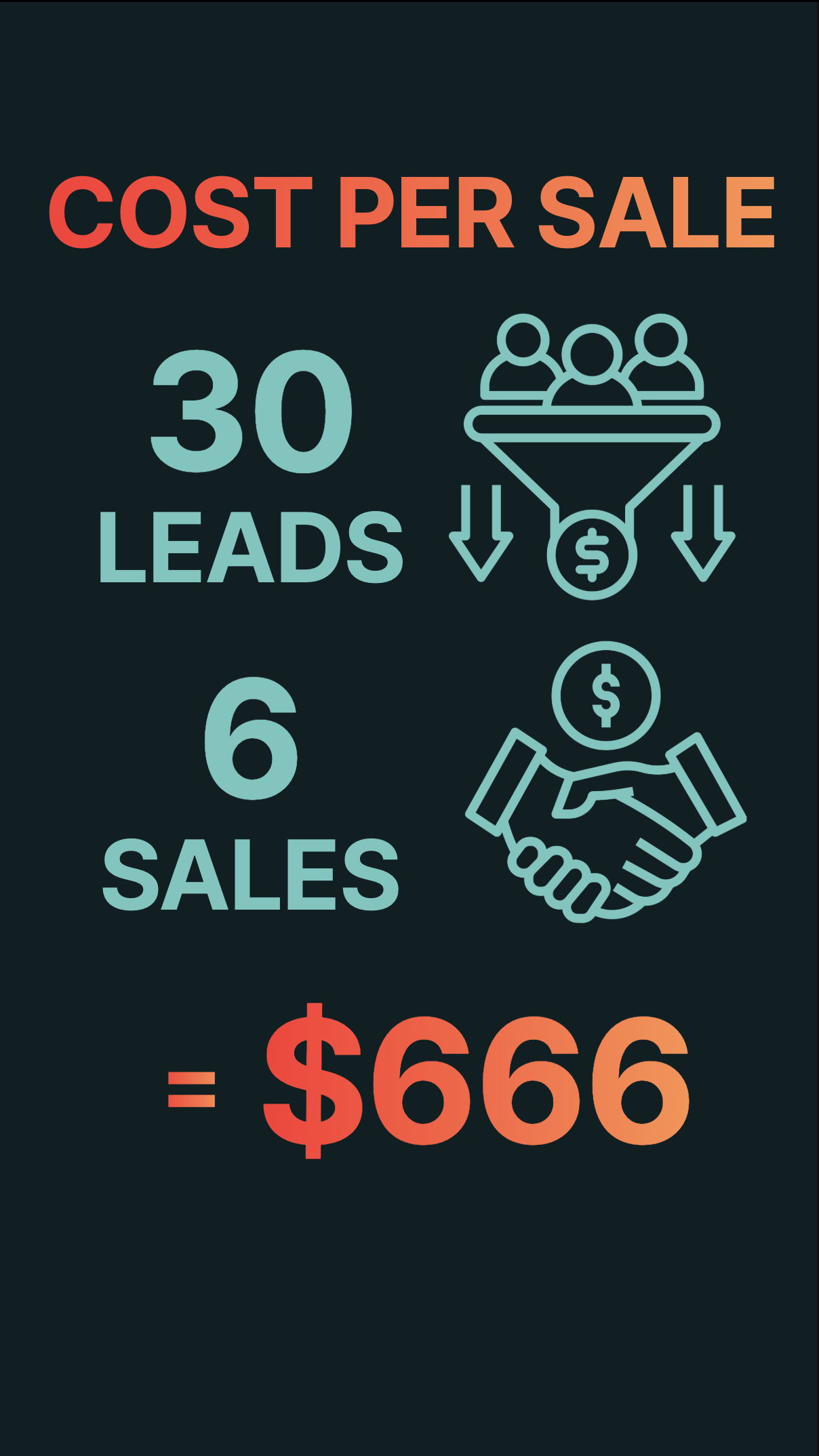
Cost of acquisition per customer is simply how much money you spend to get one new customer. This usually includes advertising costs, marketing tools, and sometimes sales expenses.
If you spent $500 on ads and earned one customer, your acquisition cost is $500. Simple math, but incredibly powerful when you understand what it means for your business.
Many business owners do not track this number clearly. Others track it loosely. Very few truly obsess over it. That is a mistake.
Why This Number Matters More Than You Think
Customer acquisition cost answers one critical question:
Are your marketing efforts actually profitable?
For example:
- If you spend $500 to acquire a customer and that customer generates $5,000 in revenue, your marketing is performing well.
- If you spend $3,000 to acquire that same customer, your margins shrink quickly.
Without knowing your CAC, you are essentially guessing whether your marketing is working.
This is one of the first numbers experienced operators and serious buyers want to see.
The Question SaaS Companies Always Ask
Software companies have become extremely disciplined about acquisition metrics because their entire growth model depends on them.
Some of the most common questions SaaS operators ask are:
- What is our CAC by marketing channel?
- What is our CAC payback period?
- What is our Lifetime Value to CAC ratio?
- Which channels generate the lowest acquisition cost?
- Which campaigns produce high-value customers vs low-value customers?
- What percentage of CAC is sales cost vs marketing cost?
- How long does it take for a customer to cover the cost of acquiring them?
These questions are not just relevant for tech companies.
They apply to almost every modern business.
What Good Businesses Know From Their Analytics
Companies that track acquisition properly can answer questions like:
- Which marketing channel produces the lowest cost customers
- Which campaign generates the highest lifetime value
- Which leads convert at the highest rate
- Which marketing efforts are wasting money
Tools like Google Analytics, call tracking platforms, and CRM systems allow businesses to see exactly where customers come from and how they convert.
This data reveals patterns that most businesses never notice.
For example:
Many companies assume referrals or social media are their best source of customers. Analytics often shows that search traffic or paid campaigns actually produce more profitable clients.
Referral Based Businesses Still Need This
Many business owners proudly say that their company runs primarily on referrals. In many ways, that is an excellent position to be in. Referral leads are often the highest quality customers a business can receive because they come with built-in trust. When someone is referred by a friend, colleague, or previous client, they are typically much easier to convert and often become long-term customers.
However, relying heavily on referrals can sometimes create a blind spot when it comes to understanding customer acquisition costs.
It is helpful to think through a simple scenario. Imagine that referrals suddenly slowed down for a period of time. Perhaps the market changes, your referral partners become less active, or past customers simply stop sending as many introductions as they once did. In that situation, the key question becomes: could your business reliably replace those customers using paid marketing or other lead generation strategies—and do so profitably?
This is where understanding your customer acquisition cost (CAC) becomes extremely valuable. When you know exactly how much it costs to generate a lead and convert that lead into a paying customer, you gain much greater control over your growth strategy. Instead of depending entirely on word-of-mouth, you have a clear understanding of how to scale customer acquisition when needed.
Even businesses that receive most of their clients through referrals benefit from measuring acquisition costs. Tracking this information helps business owners understand the true economics of their marketing efforts and prepares them to grow more predictably if they ever decide to expand beyond their referral network.
Are You Actually Tracking Properly
Here are a few simple questions we often ask business owners:
- Are you using unique phone numbers for ad campaigns?
- Are you using separate landing pages for different marketing channels?
- Are you tracking form submissions and calls accurately?
- Do you know your conversion rate from lead to customer?
If the answer is no, your acquisition numbers are probably incomplete or inaccurate.
Reliable tracking makes it possible to see exactly what marketing works and what wastes money.
For more on marketing attribution, Google offers a solid overview here:
https://support.google.com/analytics/answer/10089681
Cost of Acquisition vs Lifetime Value
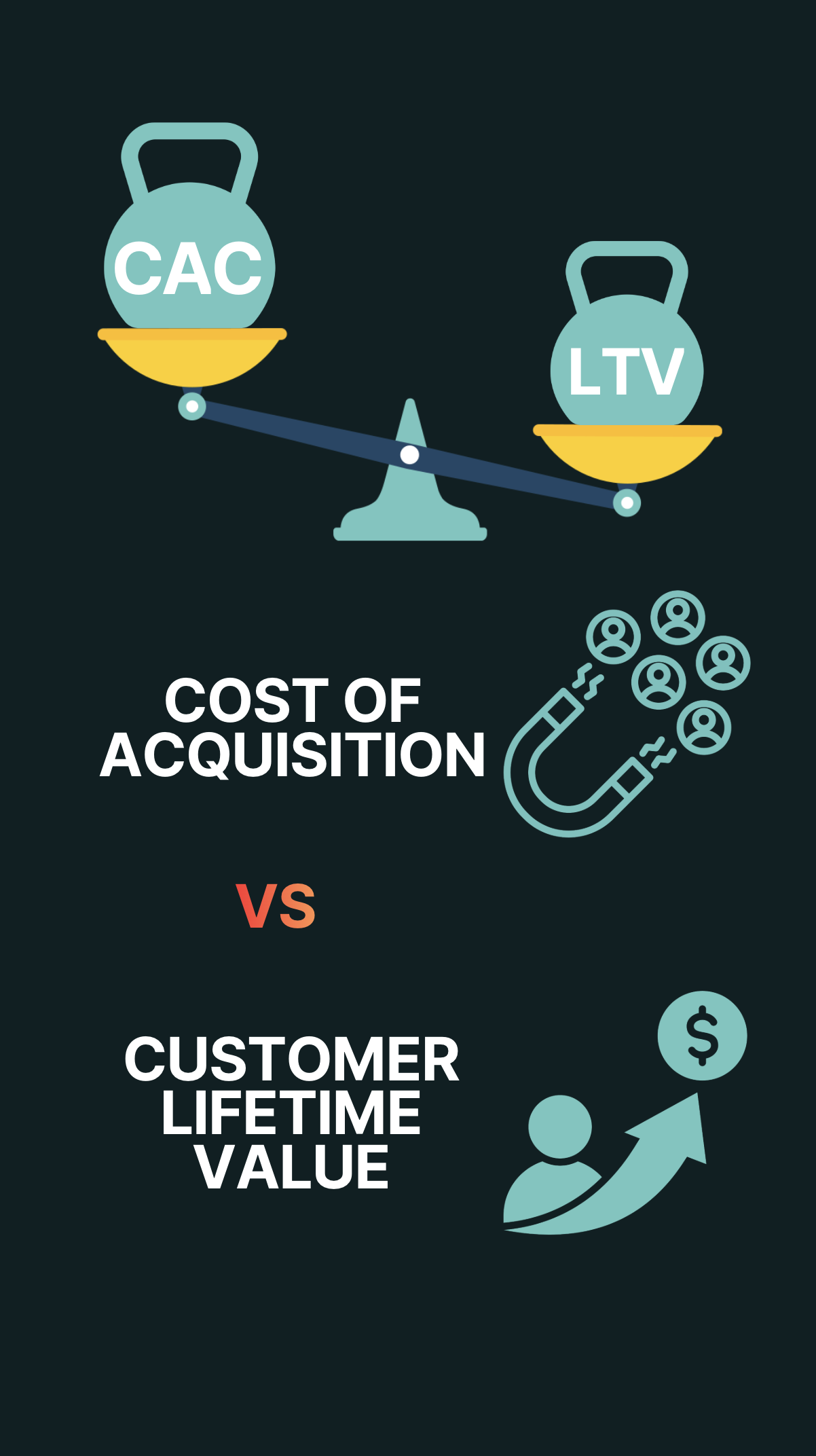
Customer acquisition becomes much more powerful when you compare it to lifetime value (LTV).
Lifetime value measures how much revenue a customer generates over the entire relationship with your business, not just the first sale.
For example:
- Customer lifetime value: $5,000
- Acquisition cost: $500
This gives you a 10:1 LTV to CAC ratio, which is excellent.
Many SaaS companies aim for at least a 3:1 ratio, meaning the lifetime value of a customer is three times the cost of acquiring them.
Understanding this relationship helps businesses determine:
- How aggressively they can invest in marketing
- Whether growth is sustainable
- How scalable their customer acquisition strategy really is
Why Buyers Care About This Metric
If you ever plan to sell your company, sophisticated buyers will often ask about customer acquisition metrics.
They want to understand:
- How predictable growth is
- Whether marketing is scalable
- If new customers can be acquired profitably
Businesses with clear, predictable acquisition data often appear far more attractive to buyers.
It shows that growth is not random but repeatable.
Why You Should Obsess Over This Number
Obsessing over customer acquisition cost does not mean cutting marketing spend.
It means spending smarter.
When you understand your numbers, you can:
- Scale the marketing channels that work
- Cut campaigns that waste money
- Predict growth more accurately
- Increase profitability with confidence
Businesses that track CAC closely tend to make much better strategic decisions.
Final Thoughts
Customer acquisition cost is not just a marketing metric.
It is a business survival metric.
Whether your business relies on referrals, advertising, or a mix of both, knowing exactly what it costs to bring in a new customer gives you something incredibly valuable: clarity.
And clarity leads to better decisions, stronger growth, and more valuable businesses.
If you are not tracking it yet, now is the time to start.