Starting a business is exciting, but it also comes with a lot of moving parts that can feel overwhelming at first. Most people jump in with a strong idea, but turning that idea into something real and profitable takes structure, planning, and consistency. The good news is that the process becomes much easier when you break it down into clear steps and follow them one by one.
We’re actually in the middle of launching a new business ourselves, so a lot of what you’re going through right now is exactly what we’re dealing with too. It’s not all polished behind the scenes either. The website, for example, hasn’t even been fully updated yet. We used a quick AI builder just to get something live, so don’t judge it too hard. If you’re curious, you can check it out here: https://youraitrainer.com/
This guide walks you through a practical 10 step process designed for entrepreneurs in Canada. It is simple, beginner friendly, and focused on real actions you can take right away without getting lost in theory or jargon.
Step 1. Search For Your Domain Name And Secure It Early
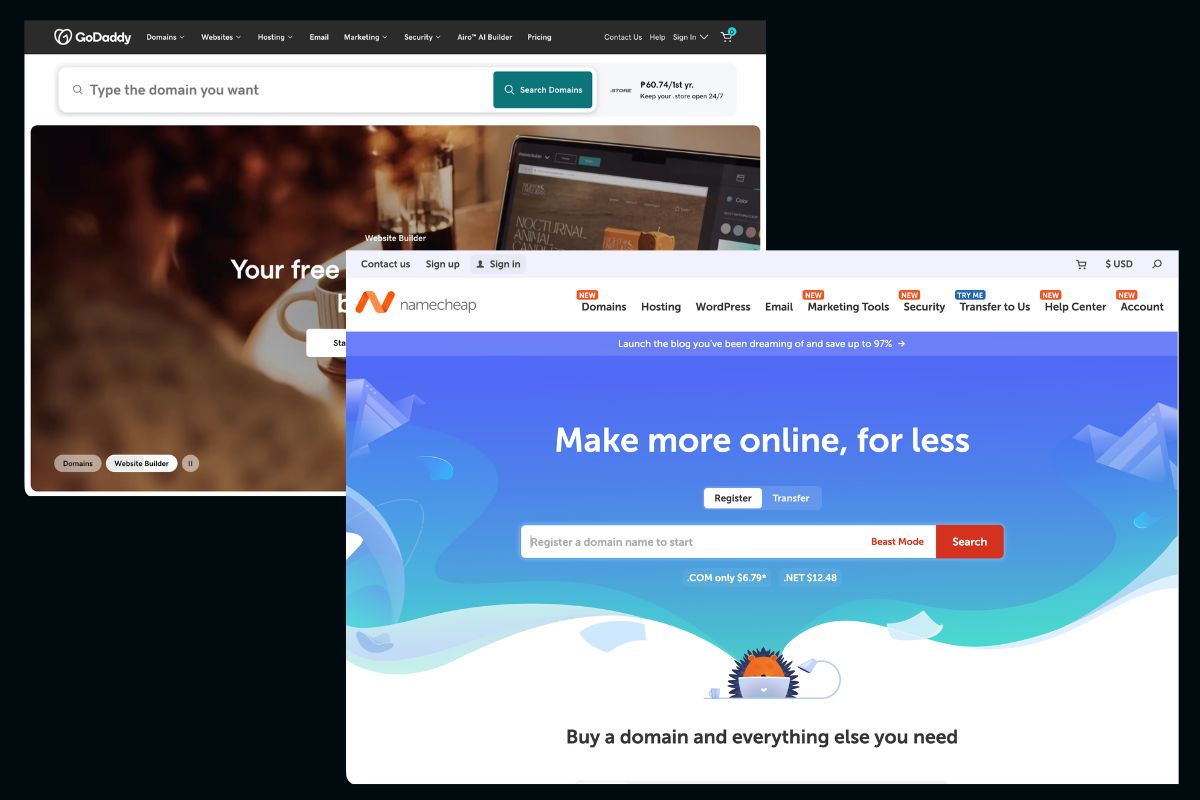
Your domain name is your online identity, and it is usually the first real step in building your brand. Before you get too deep into planning, it is important to check if your business name is available as a domain.
A good domain should be simple, easy to spell, and closely related to your business name or niche. Once you find something available, it is smart to buy it immediately because good names get taken quickly.
We actually grabbed our domain on GoDaddy simply because it was available at the time. Looking back, we probably would have gone with Namecheap instead since it is usually more affordable and offers similar features. It is a small decision, but these costs can add up over time, especially if you plan on building multiple sites.
When choosing your domain, focus on clarity instead of creativity overload. Customers should be able to remember it after hearing it once.
Some practical things to keep in mind include:
- Keep it short and easy to type
- Avoid complicated spelling or numbers
- Try to match your brand name as closely as possible
- Secure common extensions like .com or .ca
If you want to understand more about domain registration standards in Canada, you can refer to official guidelines from the Canadian Internet Registration Authority.
Step 2. Do Keyword Research And Check Your Competition

Before committing fully to your idea, you need to understand the market. Keyword research helps you see what people are actually searching for online, while competitor research shows you how crowded your space is.
If there are already strong competitors, it does not mean you should avoid the idea. It simply means you need to position yourself differently or serve a specific niche better.
Also think about how your name might overlap with bigger brands or commonly searched terms. For example, we once spoke to someone who wanted to use a name like “Prime Fitness” but then you have to ask yourself, are you going to get buried under results related to other “Prime” brands or even completely unrelated products like drinks or major companies using the same word. Even if the name sounds good, it might not be practical from a search and branding perspective.
This step is about answering a few key questions:
- Are people searching for your product or service
- How strong are your competitors online
- What gaps exist in the market
- What unique angle can you offer
Tools like Google Keyword Planner and Ahrefs can help you understand search demand. You can also explore Canadian business data through Statistics Canada.
Doing this properly helps you avoid building something nobody is looking for and instead focus on real demand.
Step 3. Register Your Business Name In British Columbia
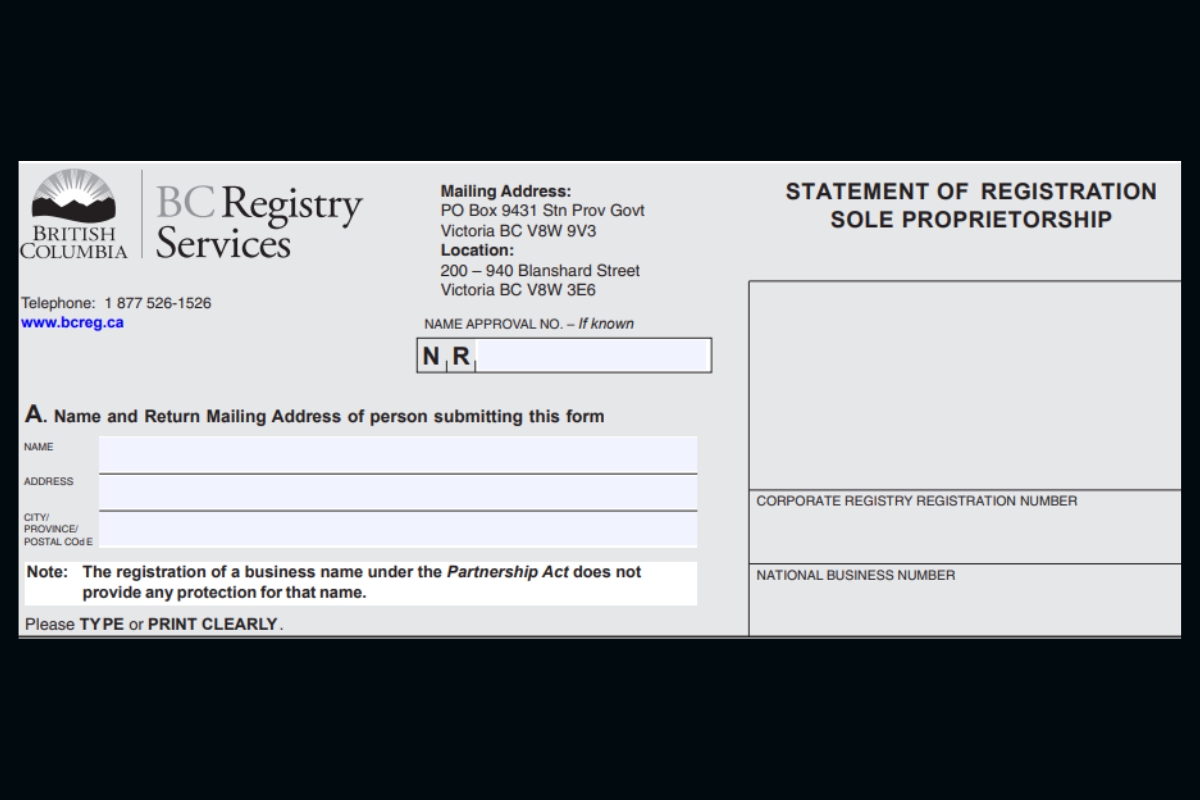
Once your name is ready, the next step is to register it officially. In British Columbia, this is done through the BC Registry Services.
This step makes your business name legally recognized and ensures no one else in the province is operating under the same name.
You will typically need to:
- Search name availability
- Submit your chosen business name
- Complete registration through BC Names Registry
- Pay the required registration fee
You can access official registration services HERE.
This step gives your business legitimacy and allows you to move forward with banking, contracts, and incorporation.
Step 4. Set Up Your Corporation

Incorporating your business is an important step if you want legal protection and better tax flexibility. In Canada, incorporation can be done provincially or federally depending on your goals.
A corporation separates your personal assets from your business, which adds a layer of protection if something goes wrong.
When setting up a corporation, consider:
- Whether you want federal or provincial incorporation
- Tax structure and reporting requirements
- Shareholder setup if you are not operating alone
- Long term growth plans
If you are unsure about structuring your business, check our selling page to help you understand how businesses are structured for resale value and long term growth.
Step 5. Look Into Trademarks And Protect Your Brand
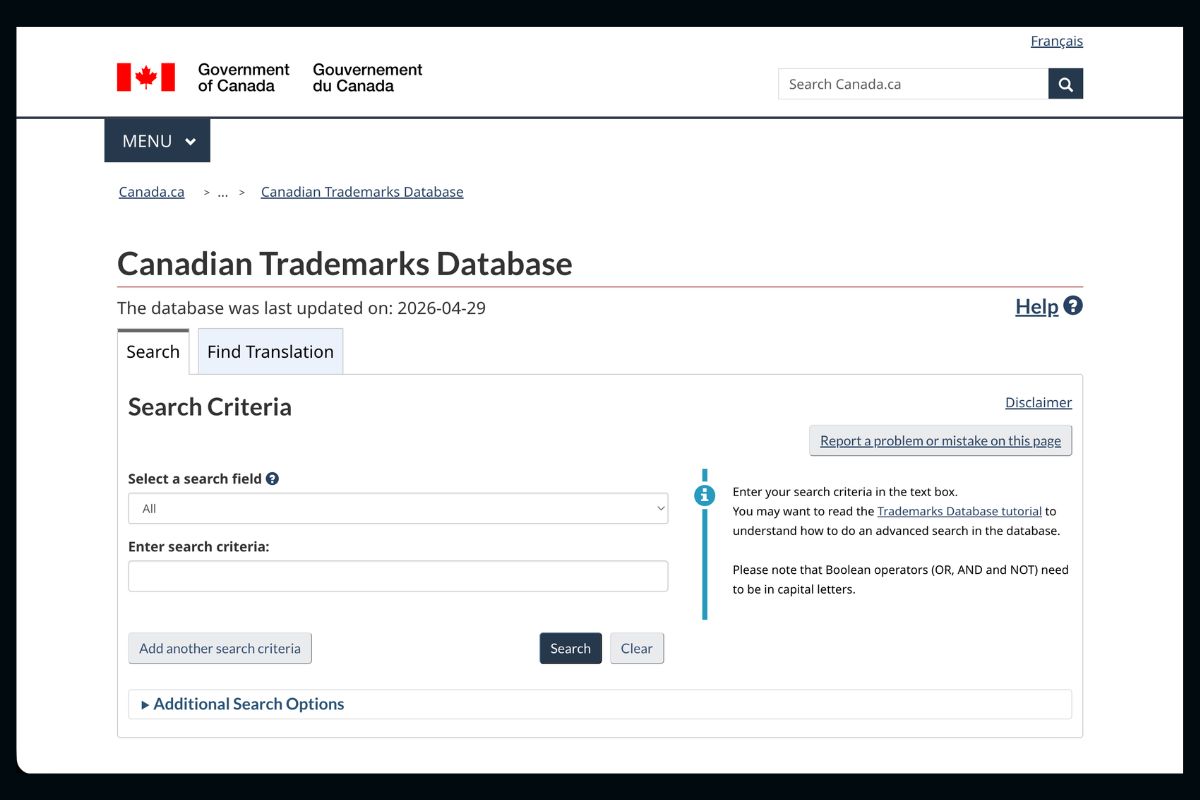
Once your name and structure are in place, it is smart to protect your brand legally. Trademarks prevent other businesses from using your name or logo, especially in the same industry.
Many entrepreneurs overlook this step early on and end up rebranding later, which can be expensive and confusing.
Before locking in your brand, it is worth doing a quick trademark search in Canada to make sure your name is not already taken or too similar to something existing. You can check this through the Canadian Trademark Database.
There are also companies that help simplify the process if you do not want to navigate it yourself. Services like Tramatm are often used by business owners to handle searches, applications, and filings more efficiently.
Trademarks typically cover:
- Business name
- Logo and branding elements
- Slogans or taglines
- Unique product or service names
You can file a trademark in Canada through the Canadian Intellectual Property Office.
This step is especially important if you plan to scale your business or sell it in the future.
Step 6. Choose A Website Platform For Your Business
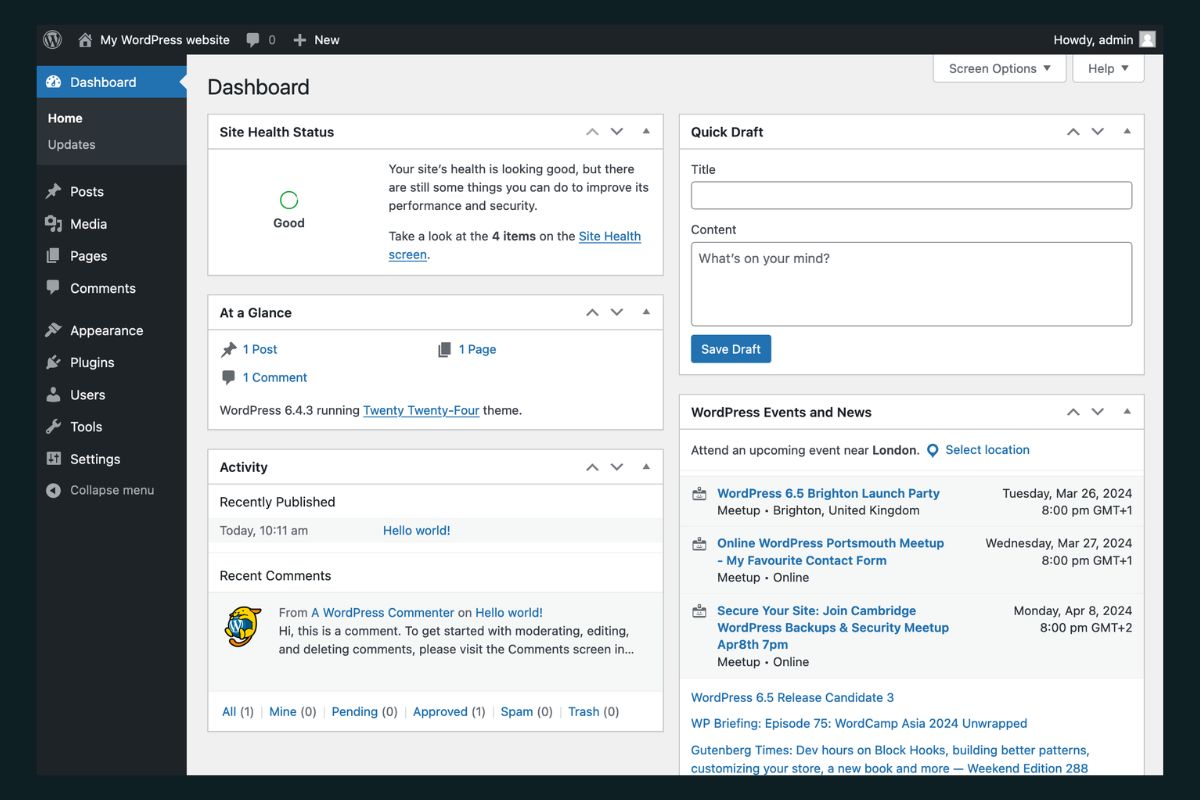
Your website is your digital storefront, and choosing the right platform depends on your goals and technical comfort level.
Popular options include WordPress, Shopify, and Wix, each serving different types of businesses.
When selecting a platform, think about:
- Ease of use and setup
- Cost and scalability
- Design flexibility
- Integration with payment systems
If your business involves selling services or products, make sure your website is built to convert visitors into customers
Your website should not just look good, it should also guide visitors toward action like booking, calling, or purchasing.
Step 7. Register A Professional Google Email
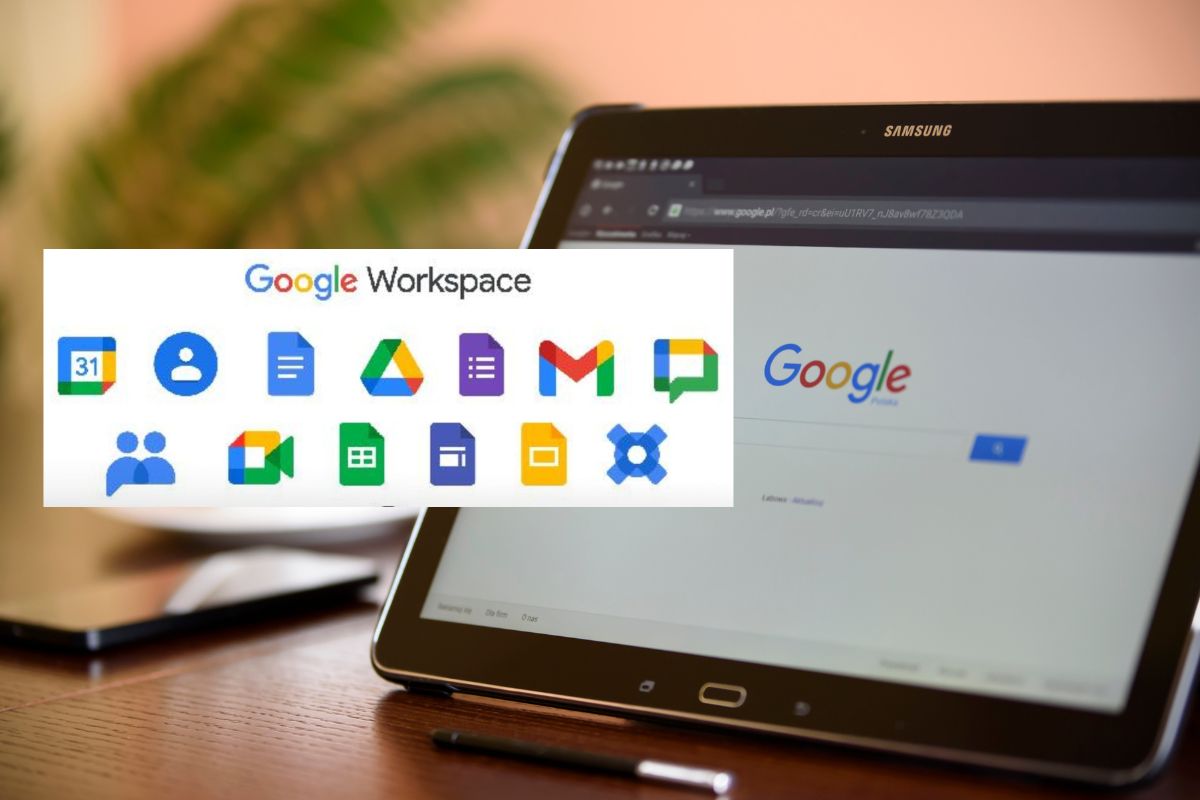
A professional email helps you look more credible from day one. Instead of using personal emails, it is better to set up something like info yourbusiness.com or contact yourbusiness.com.
Google Workspace is a popular choice because it is easy to use and works well across devices.
Benefits of a business email include:
- Stronger brand trust
- Better organization of communication
- Easier collaboration with teams
- Professional appearance when contacting clients
You can set this up through Google Workspace at https://workspace.google.com
This step is small but makes a big difference in how customers perceive your business.
Step 8. Set Up All Social Media Platforms

Social media is where most businesses build visibility and trust. Even if you are not planning to post daily, securing your handles early is important.
Focus on platforms that match your audience instead of trying to be everywhere at once.
Common platforms include:
- Instagram for visual branding
- Facebook for community and local reach
- LinkedIn for professional networking
- TikTok for content driven discovery
Consistency matters more than volume. It is better to be active on two platforms than inactive on five.
Step 9. Add Tracking Pixels And Analytics Early

Tracking is one of the most important parts of building a modern business. Without it, you are guessing instead of making informed decisions.
Tracking pixels help you understand where your traffic comes from and what actions users take on your website.
You should set up:
- Google Analytics
- Meta Pixel for Facebook and Instagram
- Conversion tracking for leads or sales
- Event tracking for important actions
You can learn more about analytics tools from Google HERE.
This step helps you make smarter decisions about marketing, advertising, and customer behavior instead of relying on guesswork.
Step 10. Hustle Hard And Stay Consistent

The final step is the one that determines everything. You can have the perfect setup, branding, and systems, but without consistent execution, nothing grows.
Hustling in business does not just mean working long hours. It means showing up consistently, improving daily, and adapting when things do not go as planned.
Focus on:
- Talking to customers regularly
- Testing different marketing strategies
- Improving your product or service
- Staying consistent even when results are slow
Most successful businesses are built through persistence rather than perfection. The early stage is always messy, but consistency is what turns an idea into income.
Starting a business in Canada becomes much easier when you follow a structured approach instead of trying to do everything at once. Each step builds on the last, from securing your domain name to setting up legal structure, branding, marketing, and tracking.
If you are also thinking about buying or selling a business in the future, you can explore more resources at VI Business Brokers where you will find practical guidance on business transactions and valuations.
The most important thing to remember is that progress matters more than perfection. Start simple, take action early, and keep improving as you grow.