When buying a business, one of the biggest challenges is figuring out how to pay for it. A buyer may have some cash, a bank may be willing to provide financing, and yet there can still be a gap between the money available and the purchase price.
That is where a Vendor Take Back loan, commonly called a VTB, can become extremely useful.
We are seeing more VTB financing used in business acquisitions, particularly when a buyer has enough money to make a reasonable down payment and the business has strong cash flow, but the bank simply will not finance the entire purchase price. Before approaching a lender, buyers should also understand how to be bankable when buying a business.
What Is a Vendor Take Back Loan?

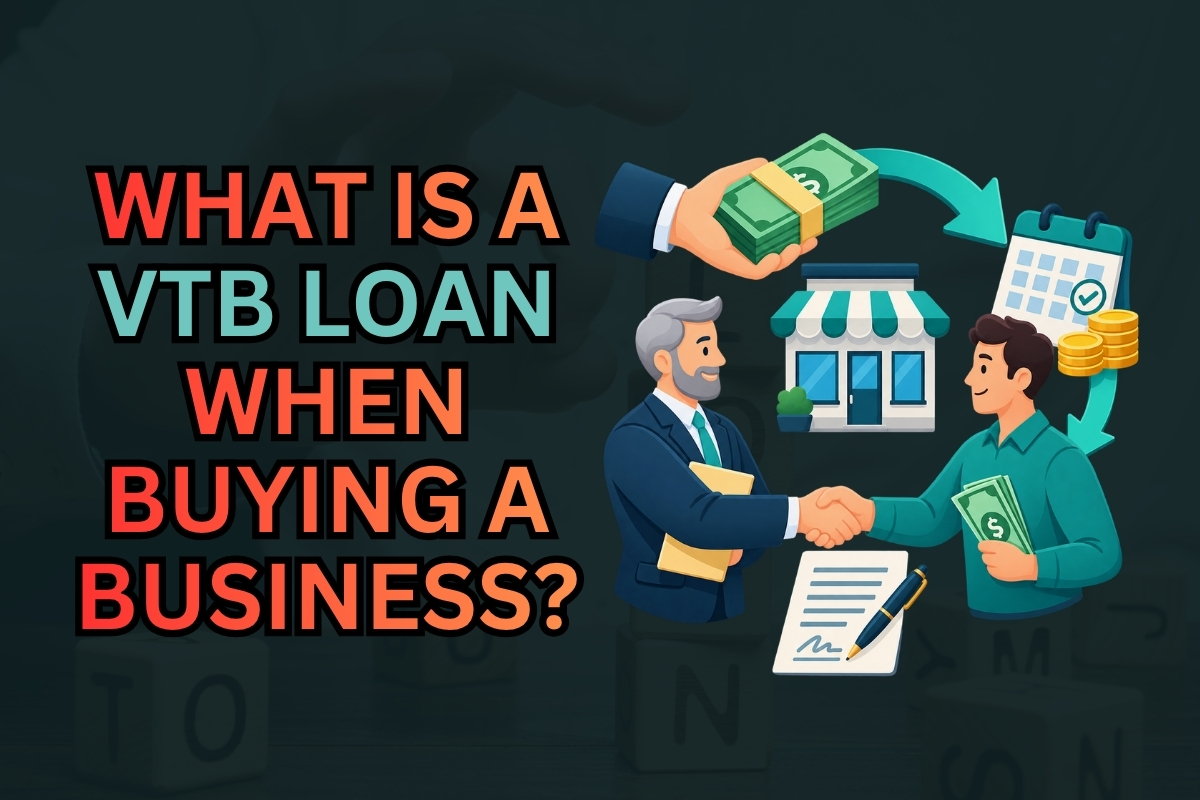
A Vendor Take Back loan is essentially a loan from the seller of the business to the buyer.
Instead of the seller receiving 100 percent of the purchase price at closing, the seller agrees to leave a portion of the purchase price outstanding. The buyer then pays that amount back to the seller over an agreed period, usually with interest.
The BDC describes vendor financing as a situation where the current owner loans the buyer some of the money needed to purchase the business. BDC also notes that vendor financing is often part of a larger acquisition financing package that includes the buyer’s own money and bank financing.
In simple terms, the seller becomes one of the lenders.
This can make the difference between a deal that cannot close and a deal that works.
A Simple VTB Example
Let’s say a business is being purchased for $500,000.
The buyer has $50,000 available to invest, and the bank is willing to lend $350,000.
That gives the buyer:
- Buyer cash: $50,000
- Bank financing: $350,000
- Total available: $400,000
The purchase price is $500,000, so there is a $100,000 financing gap.
That is where a VTB can come into play.
The seller could agree to provide a $100,000 VTB. The transaction could then look like this:
- Buyer cash: $50,000
- Bank loan: $350,000
- VTB from seller: $100,000
- Total purchase price: $500,000
The buyer gets the financing needed to complete the acquisition, while the seller receives $400,000 at closing and continues to receive payments on the remaining $100,000.
Putting together the right combination of buyer cash, bank financing and seller financing is an important part of the acquisition process. Our guide on how to buy a business step by step walks through the process in more detail.
How Does a VTB Actually Work?
The exact structure of a VTB can vary considerably. The terms need to be negotiated between the buyer, seller and lenders, and the bank will usually have a say in how the VTB is structured.
A common structure for a Vendor Take Back loan is an interest-only arrangement, where the buyer is required to pay only the interest on the outstanding balance for a set period of time rather than making regular principal repayments. Using our $100,000 example, if the VTB carries an interest rate of 6 percent, the annual interest would amount to $6,000. Spread over twelve months, the buyer would therefore pay approximately $500 per month in interest. This structure can be particularly helpful in the early years of ownership because it keeps monthly obligations lower, allowing the business to retain more cash for operations, growth, and debt servicing, while the principal balance remains unchanged until it becomes due at the end of the agreed term or is refinanced.
The calculation is simple:
$100,000 × 6 percent = $6,000 per year
$6,000 ÷ 12 = $500 per month
The buyer continues making the interest payments during the agreed term. At the end of the term, the original $100,000 principal becomes due as a balloon payment.
For example, the VTB might have a five year term. The buyer could make monthly interest payments for five years and then repay the $100,000 principal at the end.
This is one reason VTB financing can be attractive for a business buyer. The monthly payment can be considerably lower than a traditional loan that requires principal and interest to be paid down every month.
However, interest only is not the only possible structure. VTBs can also include principal payments, deferred payments or other negotiated terms.
Why Would a Bank Allow a VTB?
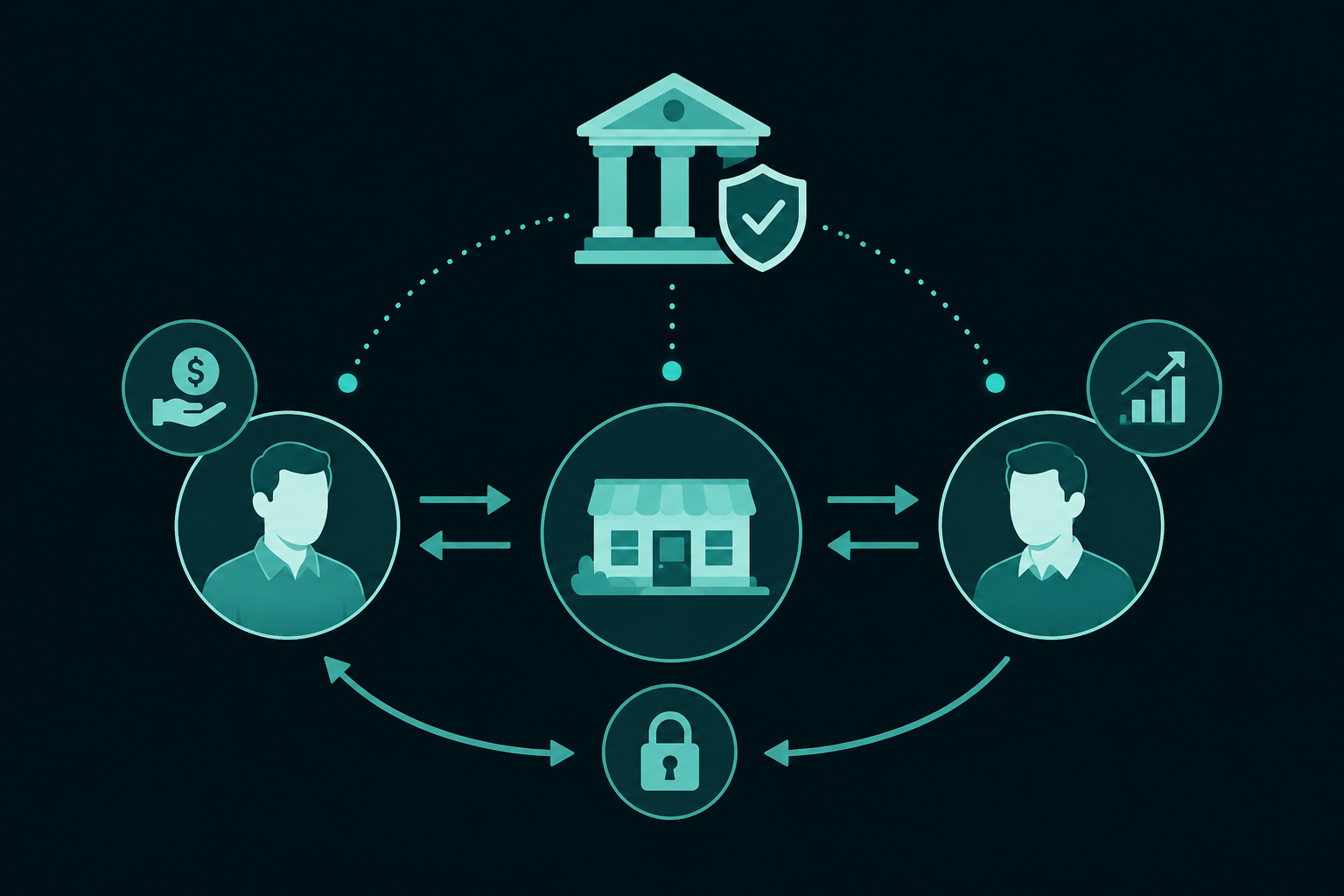
This is an important part of understanding how acquisition financing works. Banks generally want to make sure the business can comfortably support its debt obligations. Adding another loan with significant monthly principal payments can put additional pressure on the company’s cash flow. A properly structured VTB can reduce that pressure.
If the seller agrees to receive interest only for a period of time and wait for the principal, the buyer may have more cash available inside the business. That can help with the company’s debt service coverage ratio, commonly called DSCR. The idea is fairly simple. The business needs enough cash flow to cover its debt obligations. If the monthly debt payments are lower, the business may have more breathing room. The bank will still have its own requirements, and the bank’s approval is critical. A VTB does not automatically make an otherwise unfinanceable transaction financeable.
Why Does the Seller Agree to This?
At first glance, it might seem strange for a seller to hand over a business and then wait years to receive part of the money.
There are several reasons a seller may agree.
- First, it can help the seller actually sell the business. If the buyer cannot obtain enough financing from the bank, the seller may have to reduce the purchase price, find another buyer or continue operating the business.
- Second, the seller earns interest on the money that remains outstanding. Seller financing can also be an important tool when structuring a business sale.
- Third, the seller maintains a financial interest in the buyer’s success during the transition.
There can also be a practical benefit. A seller who provides financing has a reason to help make the transition successful. That could include introducing the new owner to customers, suppliers and employees or providing training and advice.
BDC specifically points out that vendor financing can encourage ongoing vendor involvement and can provide the seller with continued cash flow after the sale.
Why Are VTBs Becoming More Common?
Business acquisitions are not always as simple as putting 20 percent down and getting the rest from a bank.
Banks have to evaluate the business, its assets, historical cash flow, the buyer, existing debt and the overall risk of the transaction.
There can also be a gap between the value of a business and the amount a bank is comfortable financing.
This is especially relevant for businesses where much of the value comes from goodwill, customer relationships, reputation or other intangible assets. BDC notes that banks often prefer financing supported by tangible assets such as equipment, inventory and real estate.
A VTB can help bridge that gap.
Some Interesting VTB Facts
There are a few numbers worth knowing if you are considering buying or selling a business.
- Vendor financing typically represents around 10 percent to 15 percent of a transaction.
- VTB is commonly repaid over approximately three to five years.
- BDC notes that payments can sometimes be deferred for several months or structured as interest only for a period.
- BDC identifies the first 18 months following an ownership transition as a particularly risky period, which helps explain why preserving cash flow can be so important.
- Approximately two thirds of companies underperform during the first year following a transfer. That makes having sufficient cash inside the business particularly important during the transition.
These numbers help explain why a VTB can be more than simply a way to fill a financing gap. It can also be a tool for protecting the company’s cash flow during the early years of new ownership.
What Happens When the VTB Comes Due?
The balloon payment is an important part of the deal.
If the buyer has a $100,000 VTB with a five year term, the buyer will eventually need to come up with the $100,000 principal.
There are several possibilities.
The buyer could refinance the VTB with a bank or another lender. They could use accumulated business cash, assuming the business has generated enough excess cash. They could potentially negotiate a new arrangement with the seller.
However, none of these outcomes should simply be assumed.
The buyer needs to think about the balloon payment before signing the purchase agreement.
A VTB can make a transaction possible today while creating a significant financing requirement several years later.
Is a VTB Risky?
Like any form of financing, a VTB comes with risks for both the buyer and the seller, and it is important that both parties fully understand these before entering into an agreement.
For the buyer, the most significant concern is often the balloon payment at the end of the term. While the VTB can make a purchase more accessible in the short term, the buyer must have a realistic and well-thought-out plan for how they will repay the remaining principal when it becomes due. Without proper planning, this final payment can create financial strain or refinancing challenges.
For the seller, the primary risk is the possibility that the buyer may default on the agreed payments. In many cases, the seller is effectively deferring a substantial portion of the sale proceeds over several years, which means they are exposed to ongoing credit risk during that period. Additionally, sellers need to clearly understand the position of the VTB within the overall financing structure. In most transactions, the bank or senior lender holds priority over the VTB, meaning the seller is in a subordinate position if financial difficulties arise.
As noted by the BDC, vendor financing is generally considered junior debt and ranks behind traditional bank financing. For this reason, the specific terms around security, repayment priority, and the seller’s rights in the event of default should be carefully negotiated and clearly documented by legal professionals involved in the transaction.
What About the Canada Small Business Financing Program?
This is an important distinction for Canadian buyers.
A VTB itself cannot simply be financed through the Canada Small Business Financing Program. The Government of Canada’s program guidelines specifically identify vendor take back financing as an ineligible expenditure for a CSBFP loan.
For more information, buyers can review our Canada Small Business Financing Program guidelines.
That does not mean the CSBFP and a VTB can never appear in the same overall transaction. It means the VTB itself is not an eligible expense under the program.
VTBs Can Be Great When Structured Properly
A Vendor Take Back can be an extremely useful tool when buying a business.
For the buyer, it can bridge the gap between available bank financing and the purchase price while preserving valuable cash inside the company.
For the seller, it can help close the transaction while creating an additional stream of interest income and keeping some financial connection to the business during the transition.
The key is structure.
The interest rate, payment schedule, term, security, priority, balloon payment and conditions around the VTB should all be clearly understood before the deal closes.
If you are buying a $500,000 business and the bank will only lend $350,000, don’t automatically assume the deal is dead. There may be other ways to structure the financing.
A VTB may be one of those tools.
And sometimes, that $100,000 financing gap is the difference between walking away from a great business and actually becoming its new owner.