Preparing Your Business for a High Value Exit
Selling a business is one of the biggest financial milestones in an entrepreneur journey. Many owners assume they can simply post a listing whenever they feel ready to retire or try something new. However, walking away with top dollar requires advance preparation. Taking a proactive two year timeline gives you enough room to fix operational bottlenecks, improve profit margins, and build a low risk turn key company that buyers will compete over.
Industry data highlights how critical early exit planning is across the country. According to nationwide survey data, over 76 percent of Canadian small business owners plan to exit their companies within the next decade, representing over 2 trillion dollars in business assets changing hands. As this ongoing
On top of that, nearly 39 percent report that their company relies far too heavily on them for day to day operations. If you want your company to stand out and command a premium sale price, starting your prep work two years early is the smartest decision you can make. Working alongside the experienced team helps ensure your business is positioned for maximum valuation when you enter the market.
Planning two years in advance provides distinct structural advantages:
- Higher Valuation Multiples: Taking two years to optimize operations allows you to show sustained profit growth over multiple financial quarters. Prospective buyers pay higher valuation multiples when they see consistent growth trends rather than short term revenue spikes.
- Broader Buyer Interest: A well prepared business attracts institutional buyers, private equity groups, and qualified individual buyers. Having multiple interested parties creates natural bidding competition and drives up your final sale price.
1. Clean Up Your Financial Records and Remove Personal Expenses
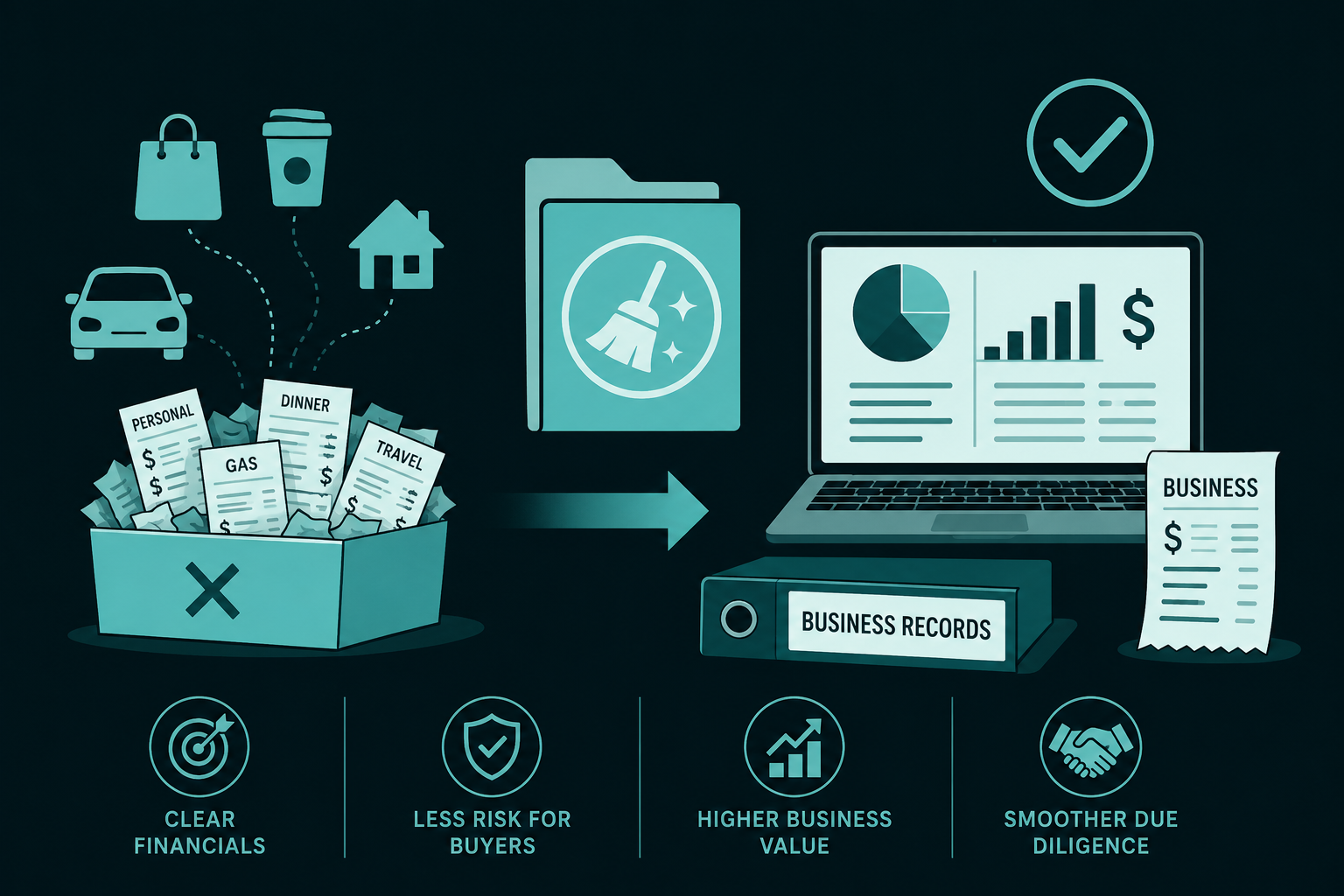
Prospective buyers and commercial lenders will scrutinize your financial statements with a fine comb. If your accounting records are messy, disorganized, or filled with personal discretionary expenses, buyers will lose confidence in your numbers. Clean financial reporting demonstrates professional management and builds buyer trust right from the start.
Spend the next two years working with a qualified accountant to produce audited or review engagement financial statements. You should eliminate non essential owner perks and personal write offs from your corporate accounts. Normalizing your earnings over a multi year period allows buyers to see your true earning potential and accurate net cash flow. You can also consult macroeconomic data through
2. Reduce Owner Dependency and Build a Strong Leadership Team
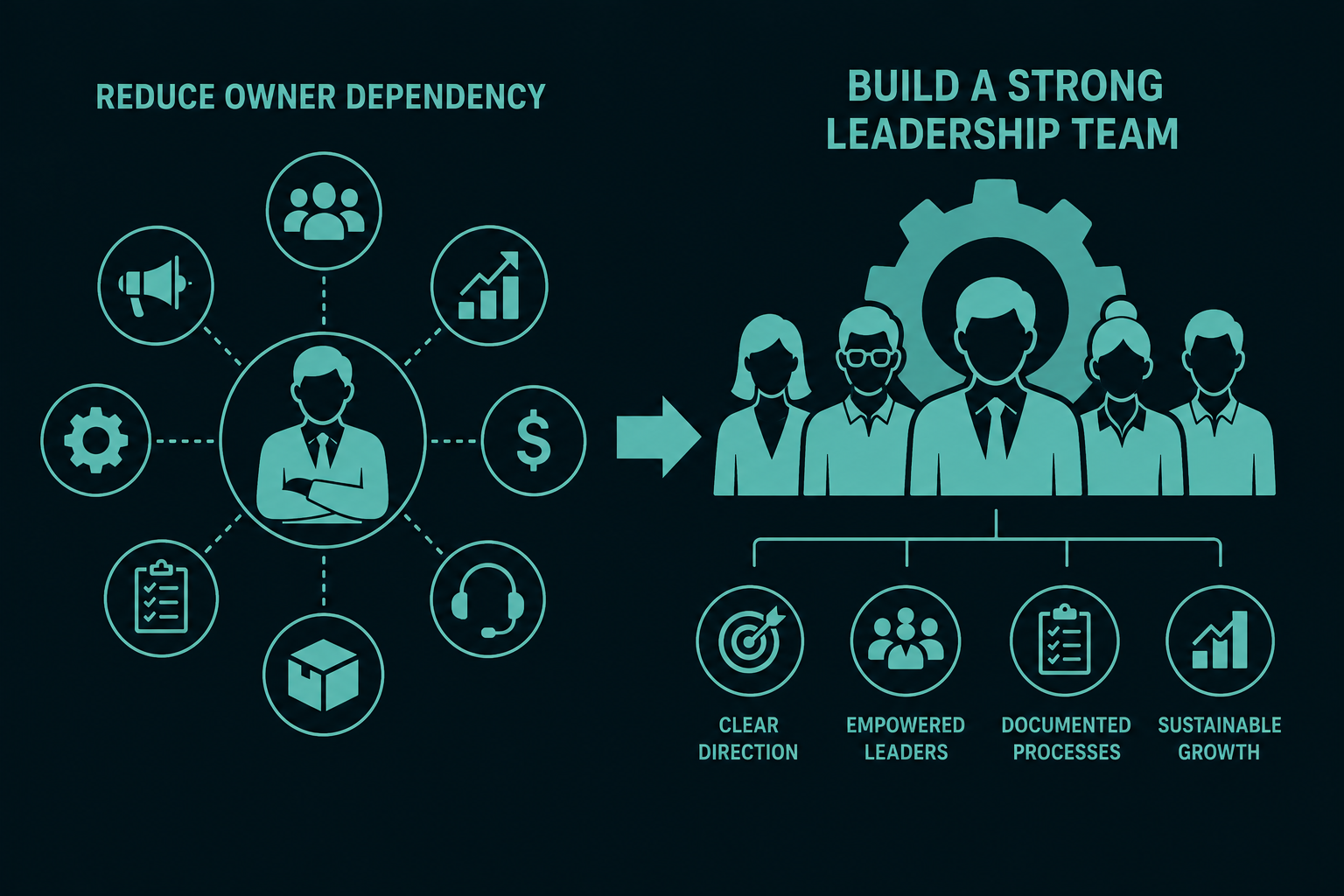
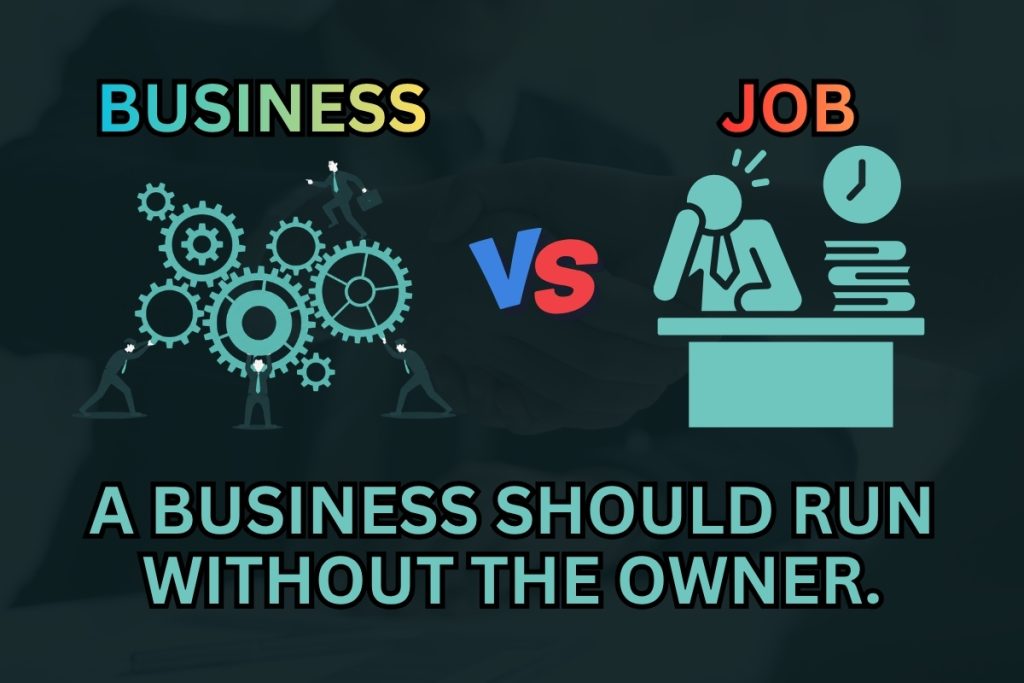
If your business cannot survive without you on site every single day, you do not own a scalable business. You own a job. Buyers want to purchase an asset that generates reliable profit without requiring the founder to work 60 hours every week. Reducing owner dependency is often the single most impactful step you can take to boost your market value.
Use your two year window to delegate daily operational duties to capable staff members. Train key personnel to manage customer relationships, inventory control, and routine problem solving independently. When buyers see a dedicated management team that intends to stay after the acquisition, perceived risk drops significantly and your business becomes far more desirable.
3. Diversify Your Customer Base and Revenue Streams
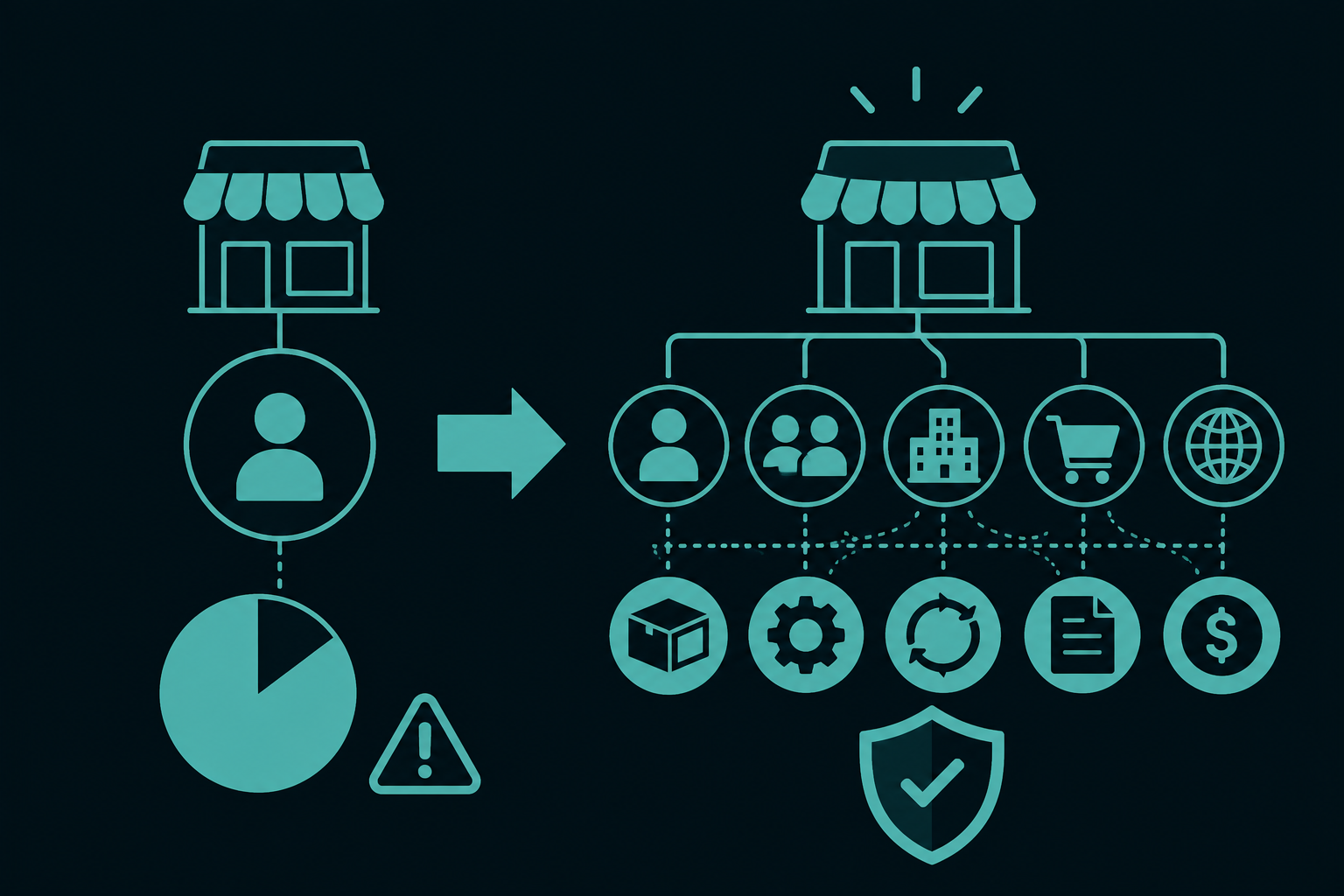
High customer concentration is a major red flag for business acquisition buyers. If a single client accounts for more than 15 percent of your total annual revenue, losing that account could devastate the business. Buyers will either discount their purchase offer heavily or walk away from the deal entirely to avoid that exposure.
Focus your sales and marketing efforts over the next 24 months on broadening your customer base across different industries or demographics. Expand your product line or target new geographic markets so that no single account holds the keys to your financial survival. A diversified customer base ensures your future cash flow remains resilient and predictable.
4. Document Systems and Standard Operating Procedures

A turn key operation always commands a higher purchase price than a chaotic one. Buyers love structured systems because they minimize operational friction during ownership transitions. When all your company processes live inside your head, transferring ownership becomes incredibly risky for the incoming owner.
Commit time over the next two years to build comprehensive standard operating procedures for every department. Document your sales scripts, marketing campaigns, fulfillment steps, and administrative tasks into easy to follow digital manuals. For additional insights on structuring sustainable operations, explore the entrepreneur guides available from the
5. Build Recurring Revenue and Expand Profit Margins
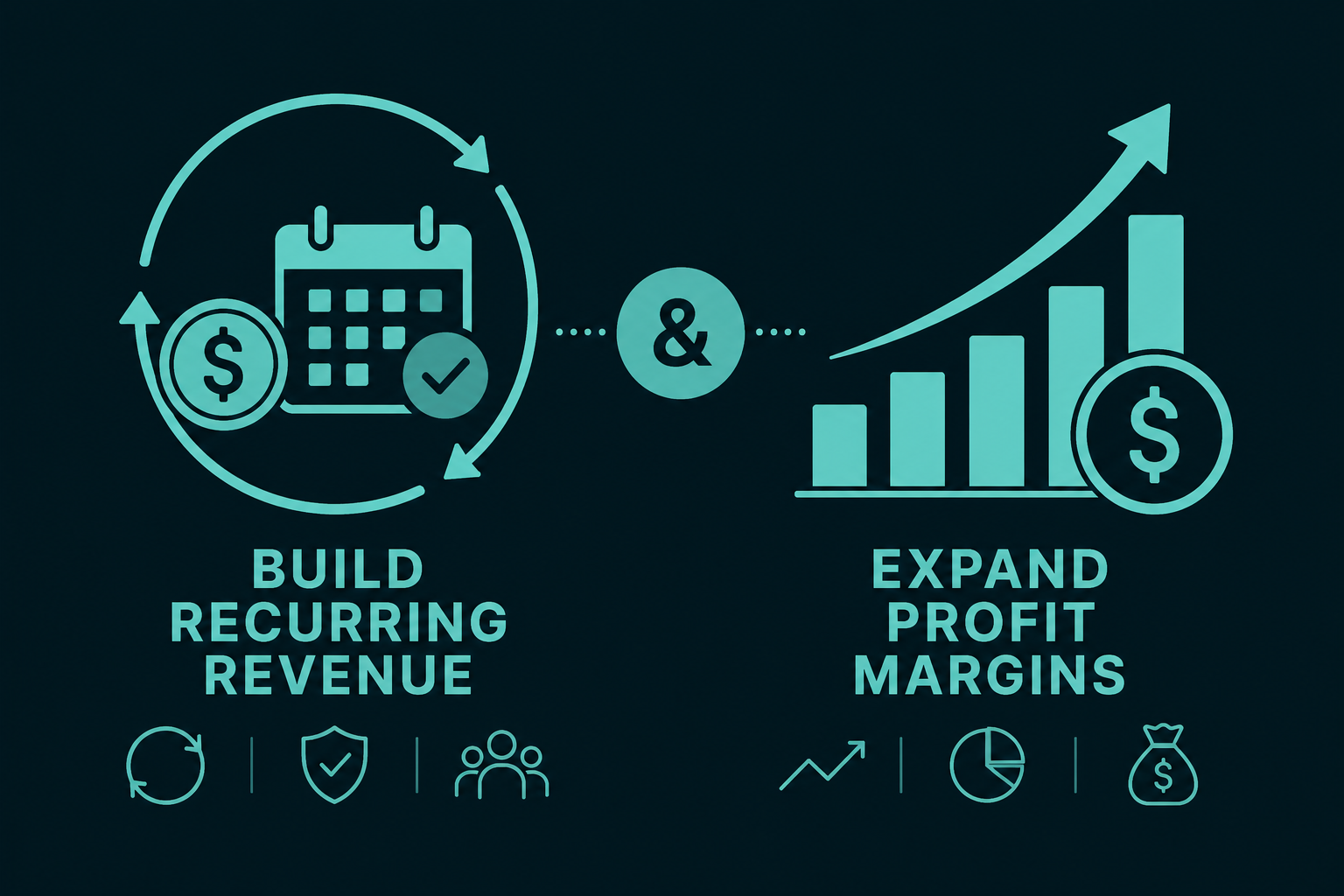
One time transactional sales are helpful, but recurring revenue is the true driver of premium valuations. Buyers are willing to pay significantly higher multiples for companies with predictable subscription income, repeat service contracts, or long term maintenance retainers.
Look for creative ways to incorporate recurring revenue streams into your business model over the coming months. Whether that means launching a monthly service plan, offering annual maintenance packages, or securing automatic inventory reorders, predictable income streams reduce buyer anxiety. Combining recurring revenue with intentional cost controls to expand your profit margins creates an unbeatable narrative during negotiations.
6. Get a Professional Business Valuation Early
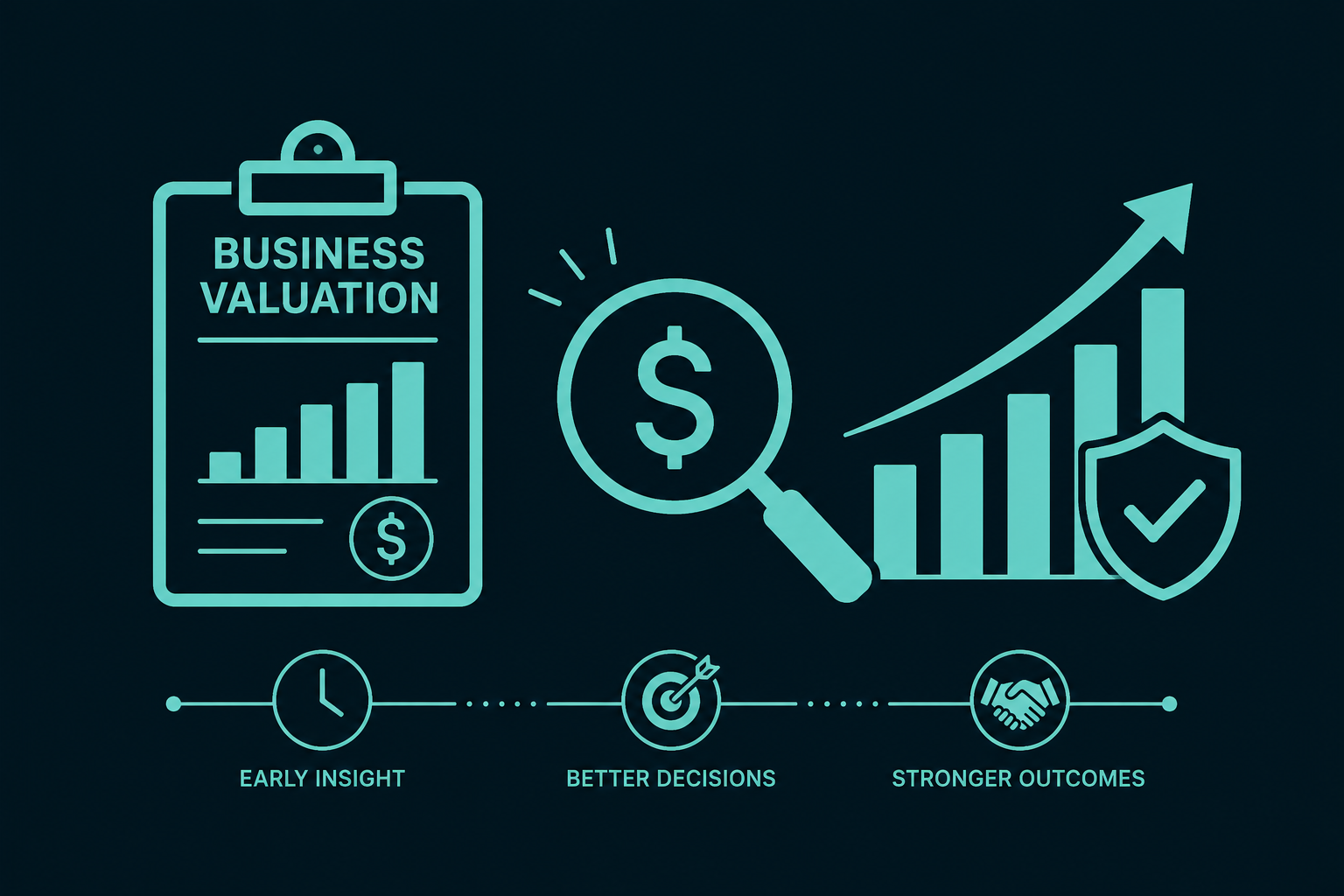
You cannot systematically increase the financial value of your company if you do not know its starting baseline. Many owners overestimate or underestimate what their business is worth, leading to flawed growth decisions or unrealistic asking price expectations.
Obtaining an early business valuation from seasoned advisors gives you a clear, objective starting point. Learning
Analyze your historical earnings, tangible assets, market demand, and industry trends to pinpoint your current market value. Identifying valuation gaps two years early gives you ample time to execute targeted improvements that directly enhance your eventual sale price.
7. Plan Your Deal Structure and Tax Strategy
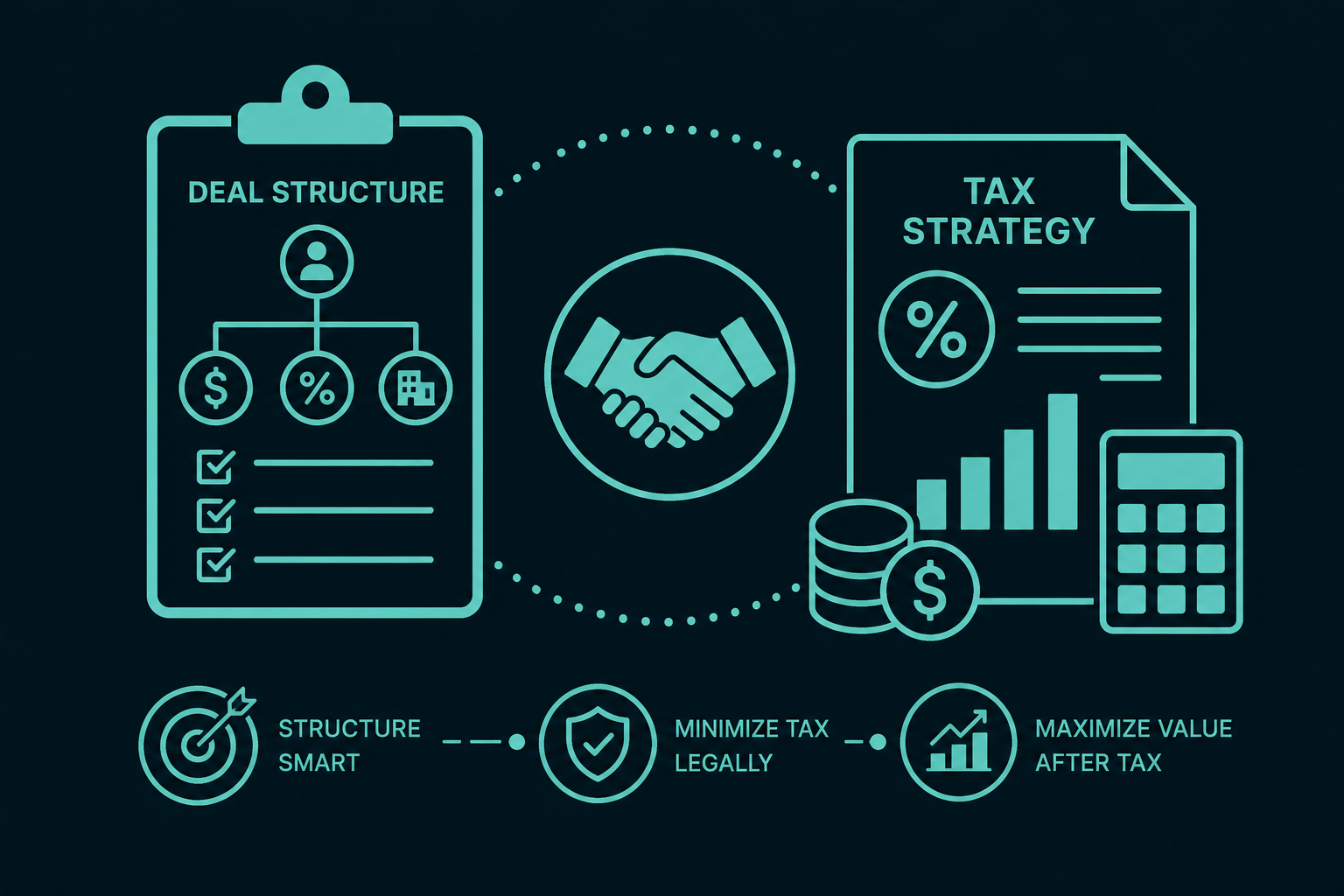
Selling your company for a high purchase price is only half the battle. What matters just as much is how much profit you keep after paying corporate taxes and professional transaction fees. Failing to plan your exit tax strategy ahead of time can cost you hundreds of thousands of dollars in unnecessary tax liabilities.
Work closely with Canadian tax accountants and legal professionals long before you list your business for sale. In Canada, proper corporate structuring can help you leverage valuable tax advantages such as the
Start Improving Value Before You Need to Sell
Two years is not a long time in business, but it is long enough to make meaningful improvements.
The biggest opportunity is that you can make changes gradually instead of trying to fix everything six months before listing the company.
Increase profits. Build recurring revenue. Reduce customer concentration. Develop your management team. Clean up your financials. Document your systems. Most importantly, make the business less dependent on you.
If you can spend the next two years building a stronger, more profitable, more predictable business, you may find that you have something much more valuable when it is finally time to sell.
And that is really the goal. You are not just preparing a business to be sold. You are building a better business that happens to be ready for a buyer.