Buying a business can be one of the biggest financial decisions you ever make. You might like the business, trust the seller and believe the numbers look good, but that does not mean you should immediately sign the purchase agreement.
This is where due diligence comes in.
Due diligence is essentially the process of investigating a business before you buy it. You are checking whether the information you have been given is accurate, whether the business is financially healthy and whether there are risks that could affect what you are willing to pay.
According to BDC, due diligence helps buyers understand a company’s finances, prospects and legal issues. BDC also recommends looking at commercial, financial and legal due diligence as three major areas of investigation.
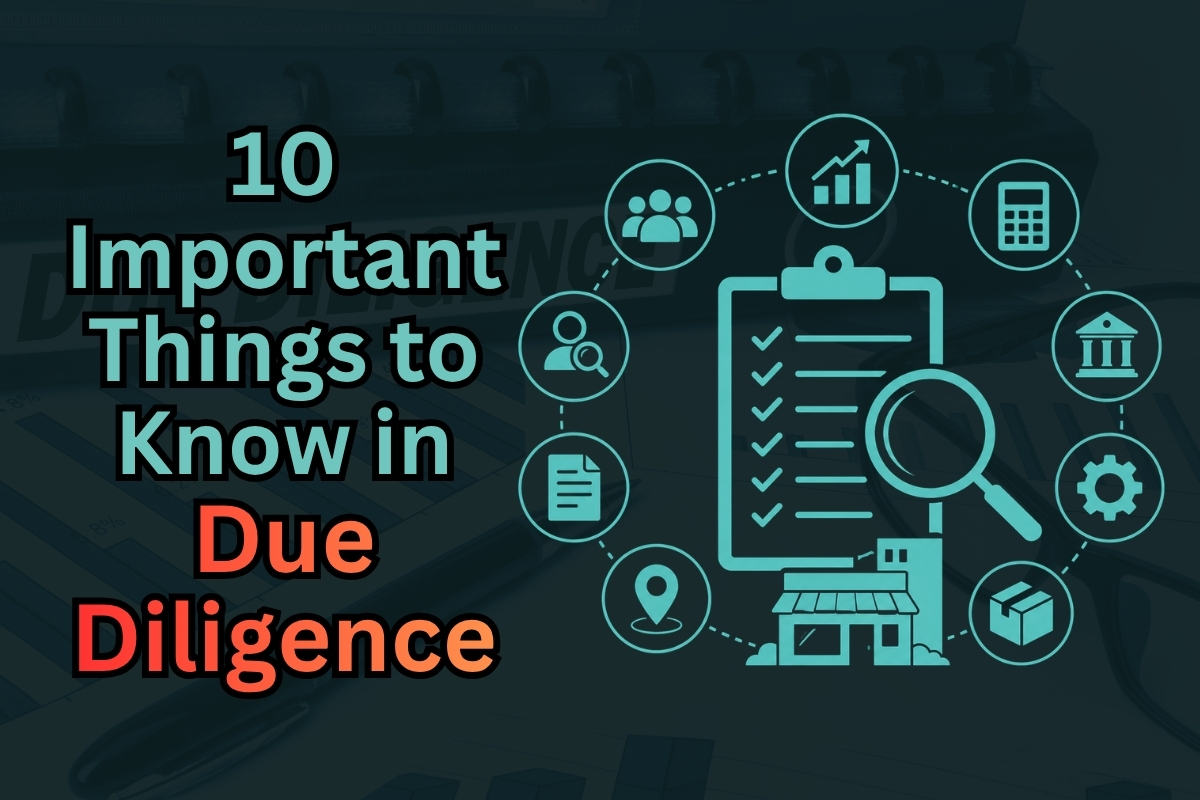
Here are 10 important things to know when doing due diligence on a business.
1. Do Not Rely Only on the Seller’s Numbers
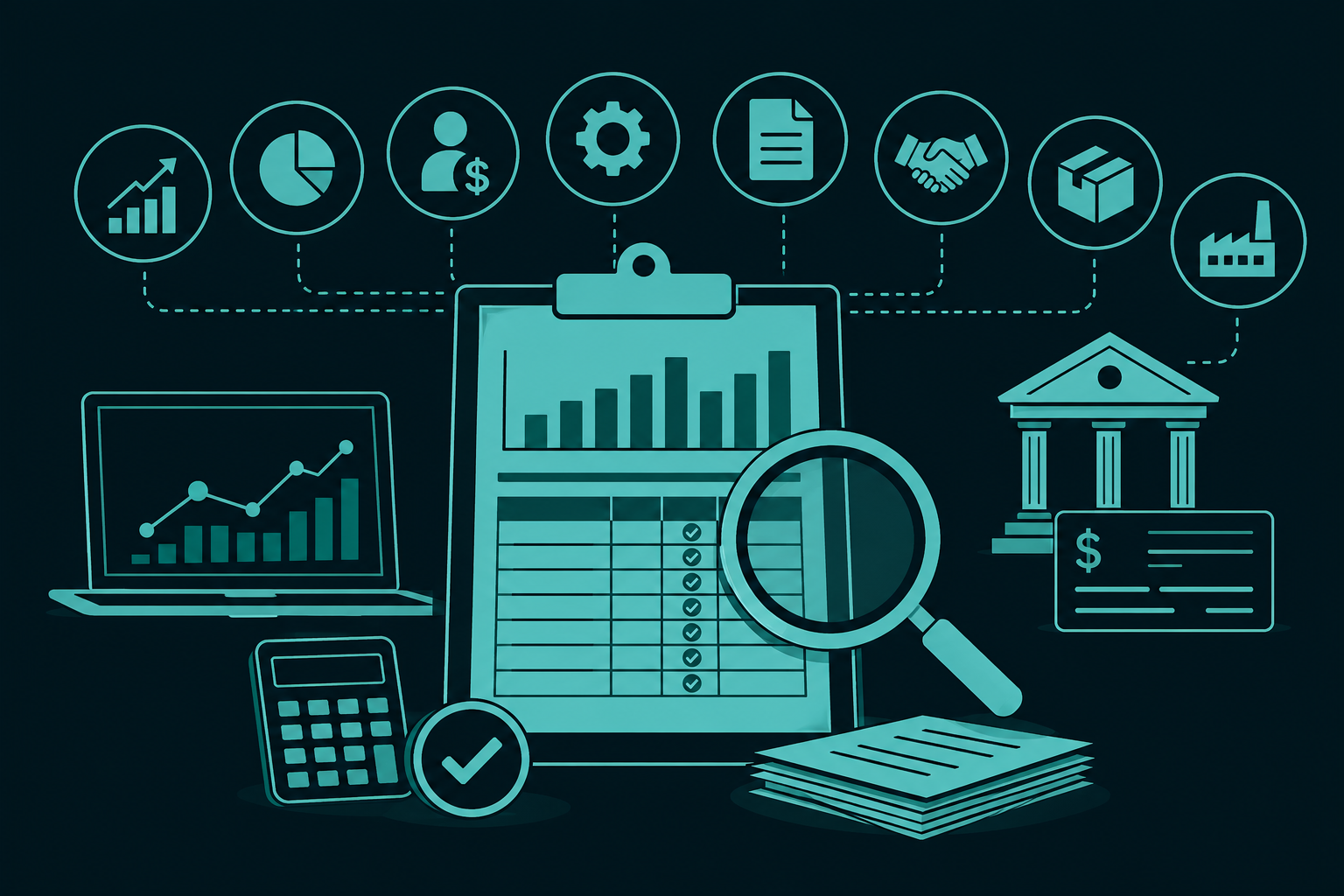
The seller should provide financial information about the business, but your job as the buyer is to verify it.
Start by reviewing several years of financial statements rather than looking at only the most recent year. BDC recommends reviewing accountant prepared financial statements for at least three to five years, along with interim statements, tax returns, bank statements, budgets and other financial information.
You should also compare the financial statements with other records to see whether the numbers make sense.
Look at:
- Revenue by month and year
- Gross margins
- Owner compensation
- Operating expenses
- Bank statements
- Accounts receivable
- Accounts payable
- Tax returns
- Inventory
- Major capital expenditures
The goal is simple. You want to make sure the reported profits accurately reflect the actual performance and cash reality of the business over time, not just what appears on paper.
Understanding the difference between reported earnings and the numbers that really matter to a buyer is also important, which is why it helps to understand EBITDA, adjusted EBITDA and SDE before reviewing a business’s financial statements.
2. Understand How the Business Actually Makes Money
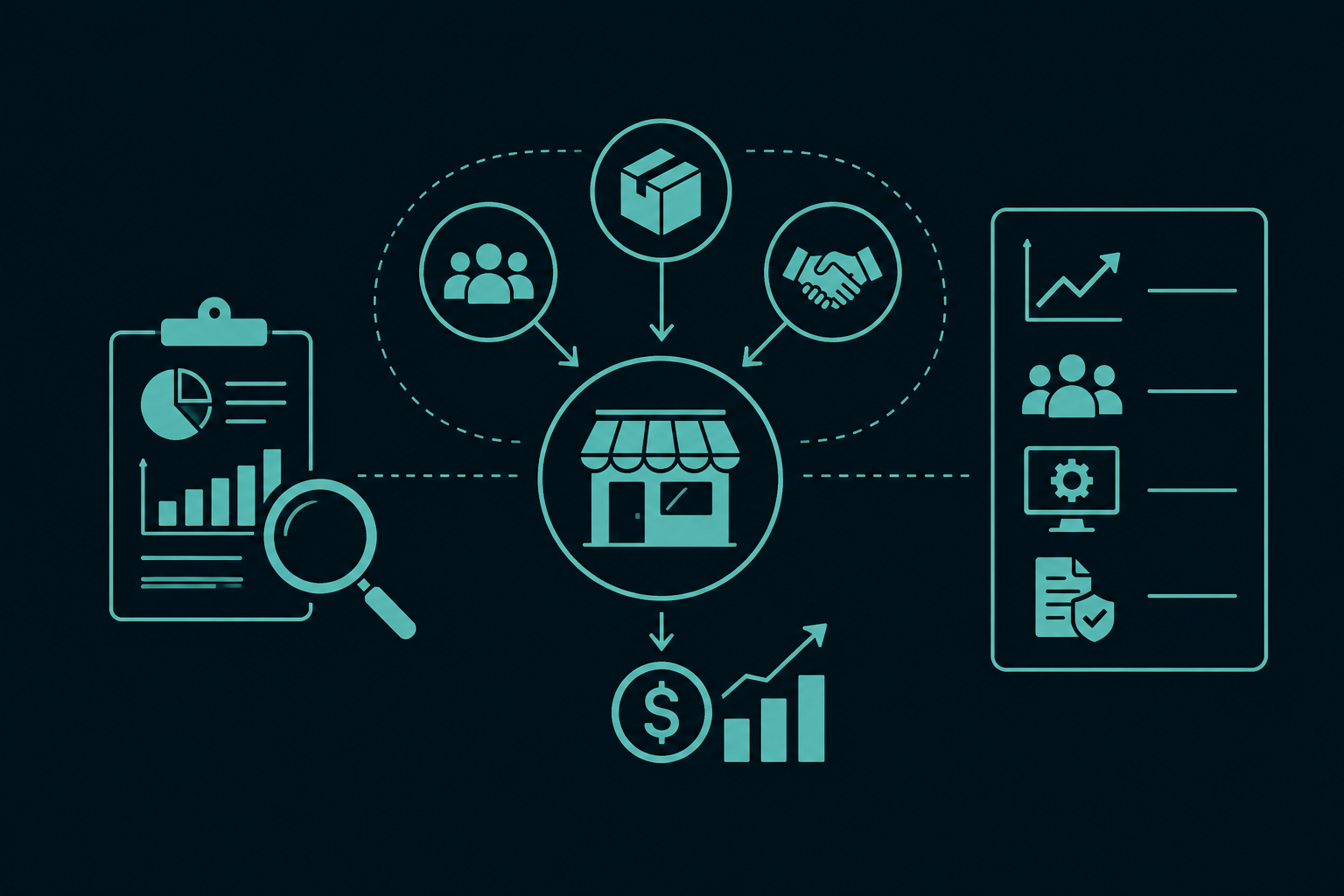
Financial statements tell you what happened, but commercial due diligence helps explain why it happened.
Take a close look at the business model and understand where the revenue comes from. Is the business dependent on a handful of customers? Does one supplier control a large part of the operation? Is revenue recurring or does the company constantly need to find new customers?
You should also investigate industry trends, competitors, technology changes and regulations that could affect the business.
A business can have excellent historical numbers and still face serious problems if the market is changing.
3. Look Closely at Customers
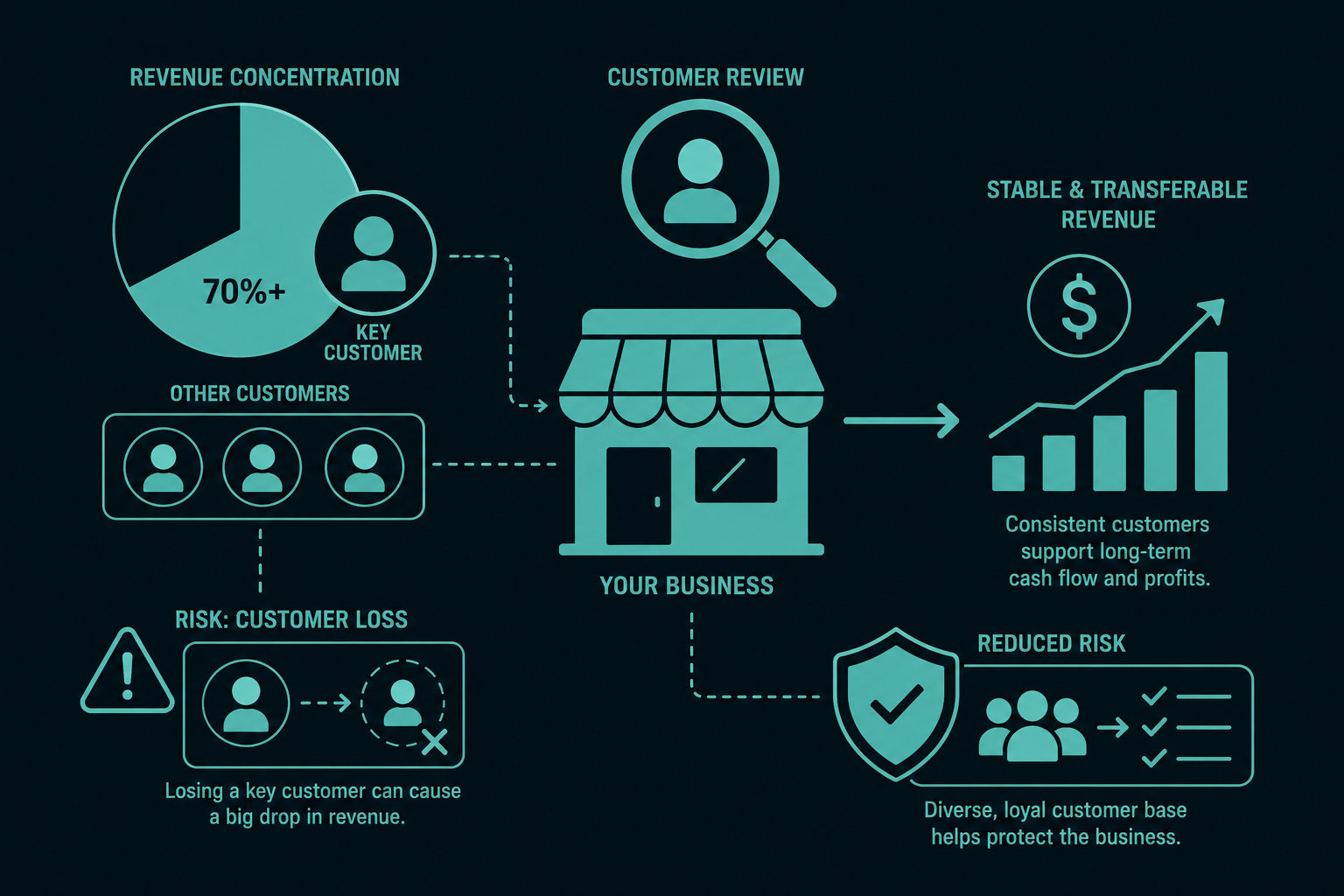
Customer concentration can be a major risk when buying a business, especially if a large portion of revenue comes from just one or a small number of clients. If even one of those key customers leaves after the sale, it can have a significant impact on cash flow and overall profitability.
Imagine that a company generates $1 million in annual revenue, but one customer represents $400,000 of that revenue. Losing that customer could immediately create a huge hole in the business.
Ask questions such as:
- Who are the biggest customers?
- How long have they been customers?
- What percentage of revenue comes from the top five customers?
- Are there written customer agreements?
- Are any major contracts about to expire?
- Has the business recently lost important customers?
You want to understand whether the revenue you are buying is stable and transferable, and whether it is likely to continue after the current owner exits the business so that you are not relying on short-term or owner-dependent sales.
4. Check the Employees and Owner Dependence

A business might look great on paper because the current owner does an enormous amount of work.
Ask yourself what happens when that owner walks away.
Review employee numbers, wages, turnover, key employees, management responsibilities and hiring challenges. You should also determine whether employees have important relationships with customers or suppliers.
In British Columbia, employment obligations can continue when a business is sold. The provincial government explains that when a business is disposed of, employee employment can be considered continuous, meaning the purchaser may assume certain obligations relating to past service.
This is why employment issues should be reviewed carefully before you buy.
5. Investigate Taxes and Government Accounts
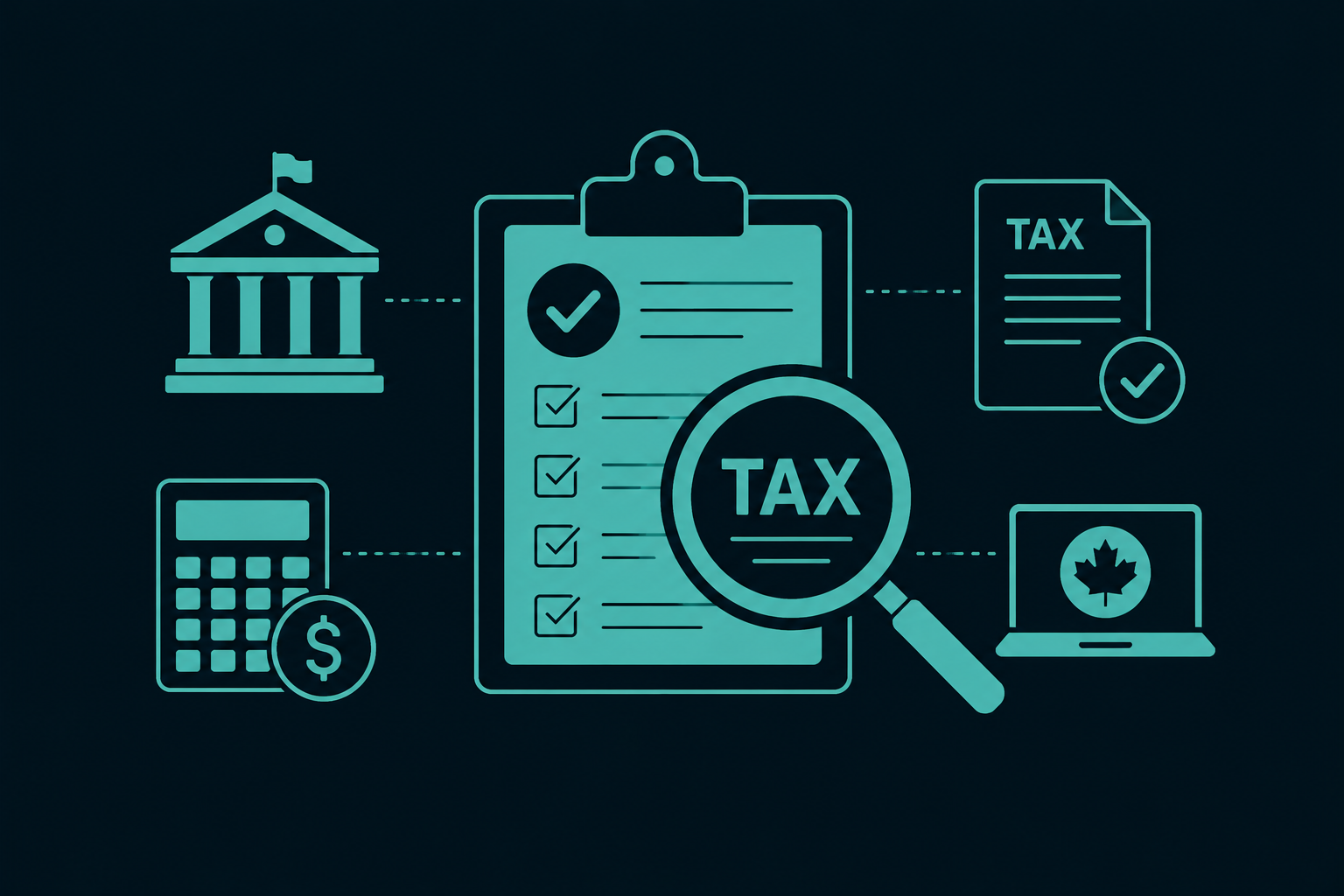
Tax problems can become expensive problems, especially if they have been overlooked for several years or if filings are incomplete. Unpaid taxes, penalties, interest charges and unexpected reassessments can quickly add up and create financial pressure for a new owner.
Ask for tax returns and supporting records and confirm that the business is current with its obligations. This includes income tax, GST or HST, payroll deductions and other applicable accounts.
The CRA explains that business records should include documents such as financial statements, tax returns, GST or HST returns, sales invoices, purchase receipts, contracts, bank statements and other records supporting transactions.
You should not simply assume everything is current because the seller says it is.
Your accountant should review the records and identify any potential tax exposure before the transaction closes.
6. Review Contracts, Leases and Legal Issues
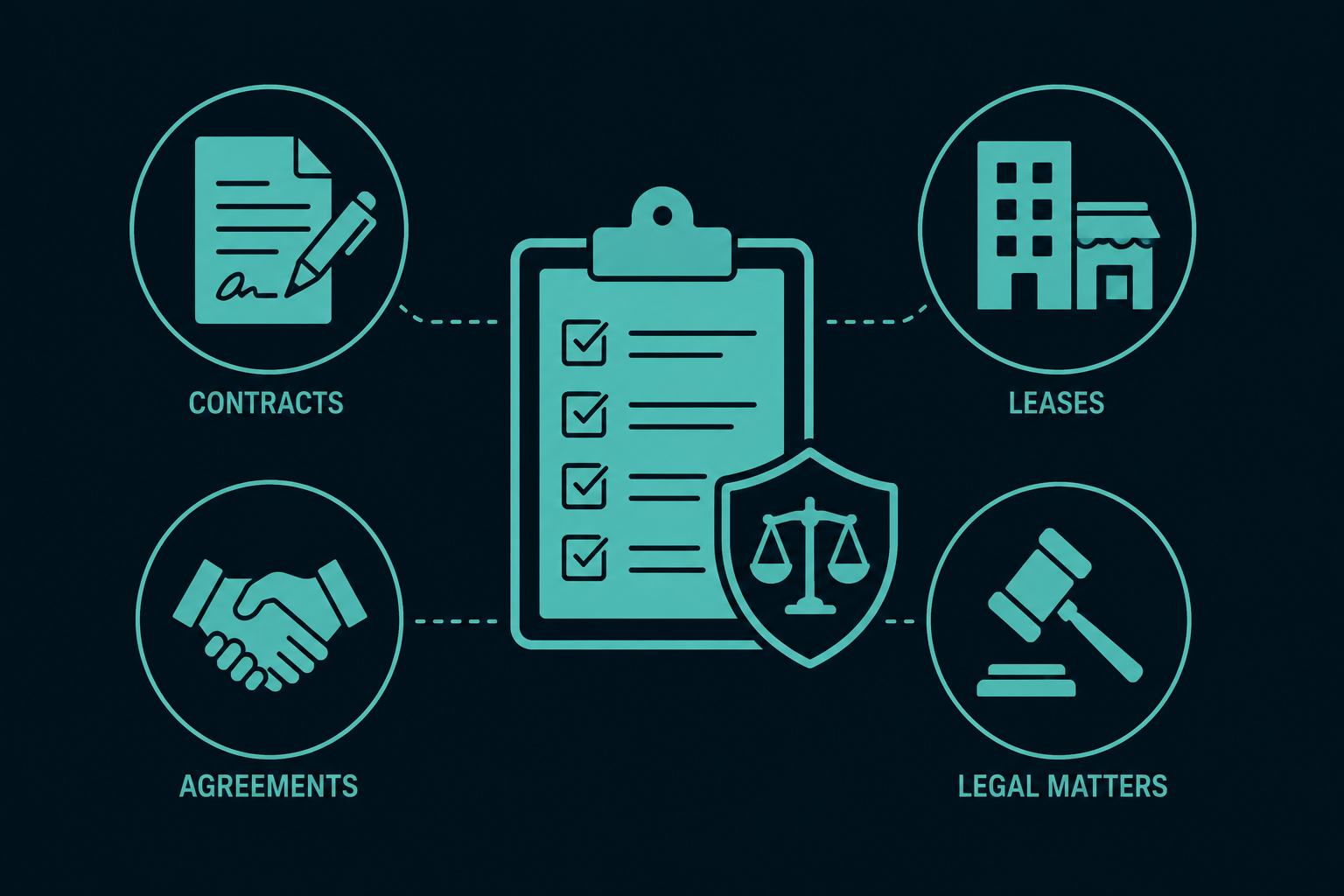
Legal due diligence is another major part of the process and involves carefully reviewing all legal aspects of the business to ensure there are no hidden risks or obligations.
Ask for copies of important agreements and have your lawyer review them. This can include the commercial lease, supplier agreements, customer contracts, equipment leases, franchise agreements, employment agreements and financing documents.
You also want to know whether the business is involved in lawsuits, disputes, regulatory issues or other claims.
If the business operates from leased premises, pay particular attention to the remaining lease term, renewal options, rent increases and whether the lease can be transferred to you.
A great business without a suitable lease can quickly become a difficult acquisition.
7. Check the Assets and Equipment
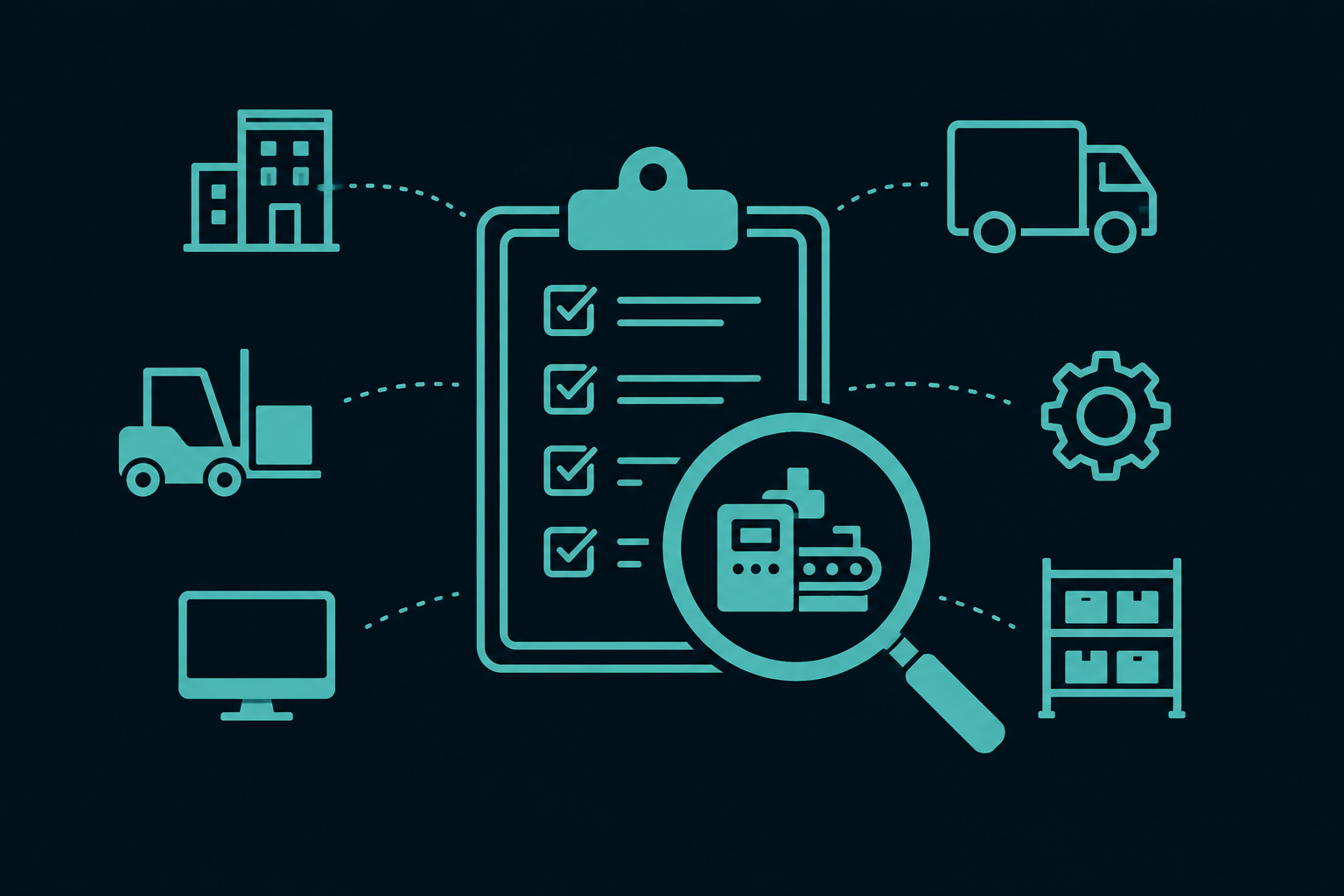
Do not assume that every asset listed on a balance sheet is worth what it appears to be.
Walk through the business and physically inspect important equipment, vehicles, machinery, computers and other assets.
Ask your question here:
- How old is the equipment?
- What needs to be replaced soon?
- Is anything financed?
- Are there liens?
- Does the equipment actually belong to the company?
- Are major repairs coming?
A business showing strong profits can still require a significant cash investment if the equipment is near the end of its useful life.
8. Verify Inventory and Accounts Receivable
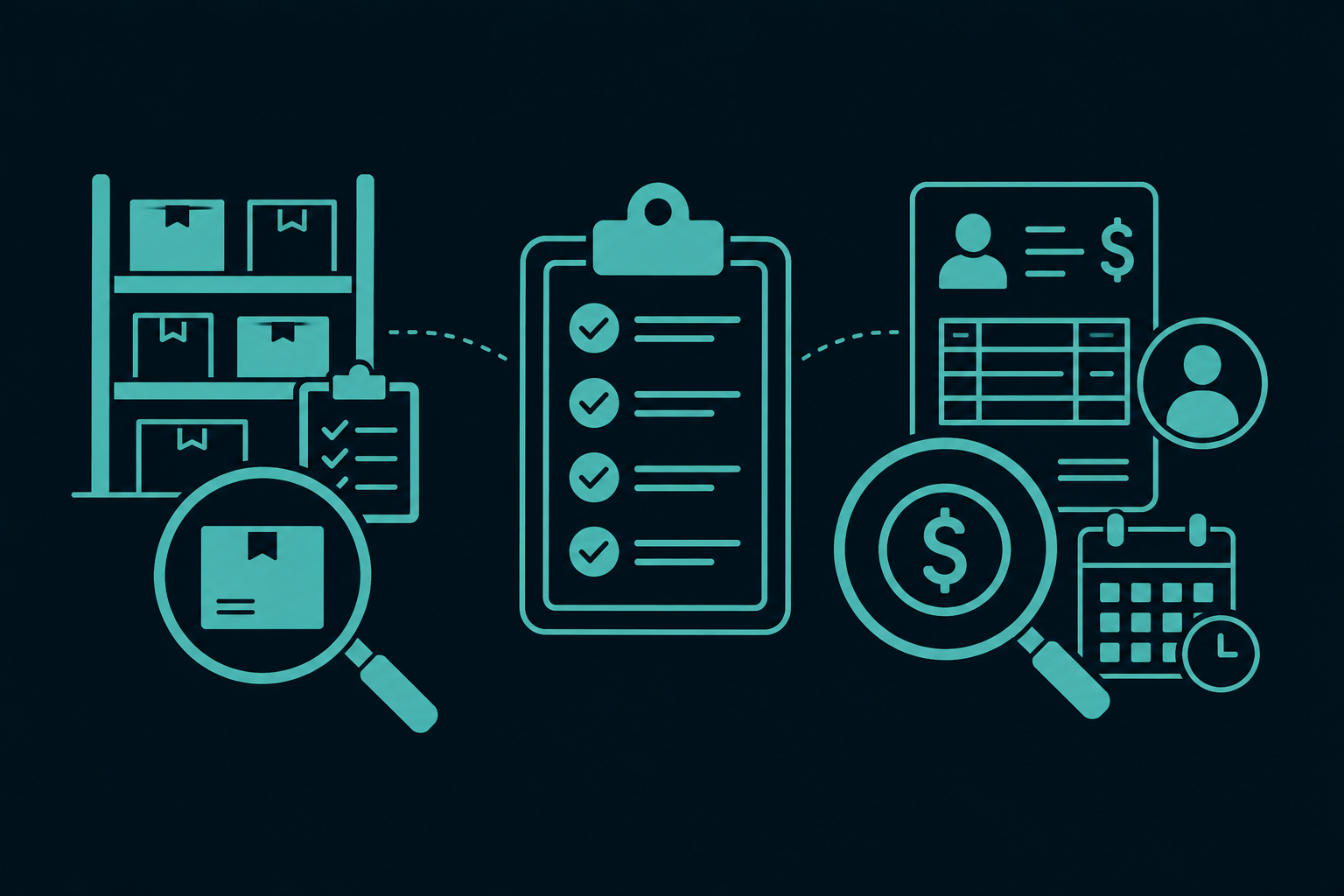
Inventory can sometimes appear more valuable or more reliable on paper than it actually is in practice, especially if items are outdated, slow-moving, damaged, or not easily sold at full value.
Check how quickly inventory moves and identify obsolete, damaged or slow moving products. BDC specifically recommends reviewing inventory aging as part of financial due diligence.
Accounts receivable also need to be carefully reviewed, as they can have a big impact on the true cash position of the business. It is important to understand how quickly customers typically pay, how much of the outstanding balance is actually collectible, and whether any amounts are already overdue or at risk of becoming uncollectable.
A business might show $200,000 in receivables, but that does not necessarily mean the company will collect $200,000.
Look at how old the receivables are and whether customers regularly pay late.
9. Do Not Forget About the Business Location
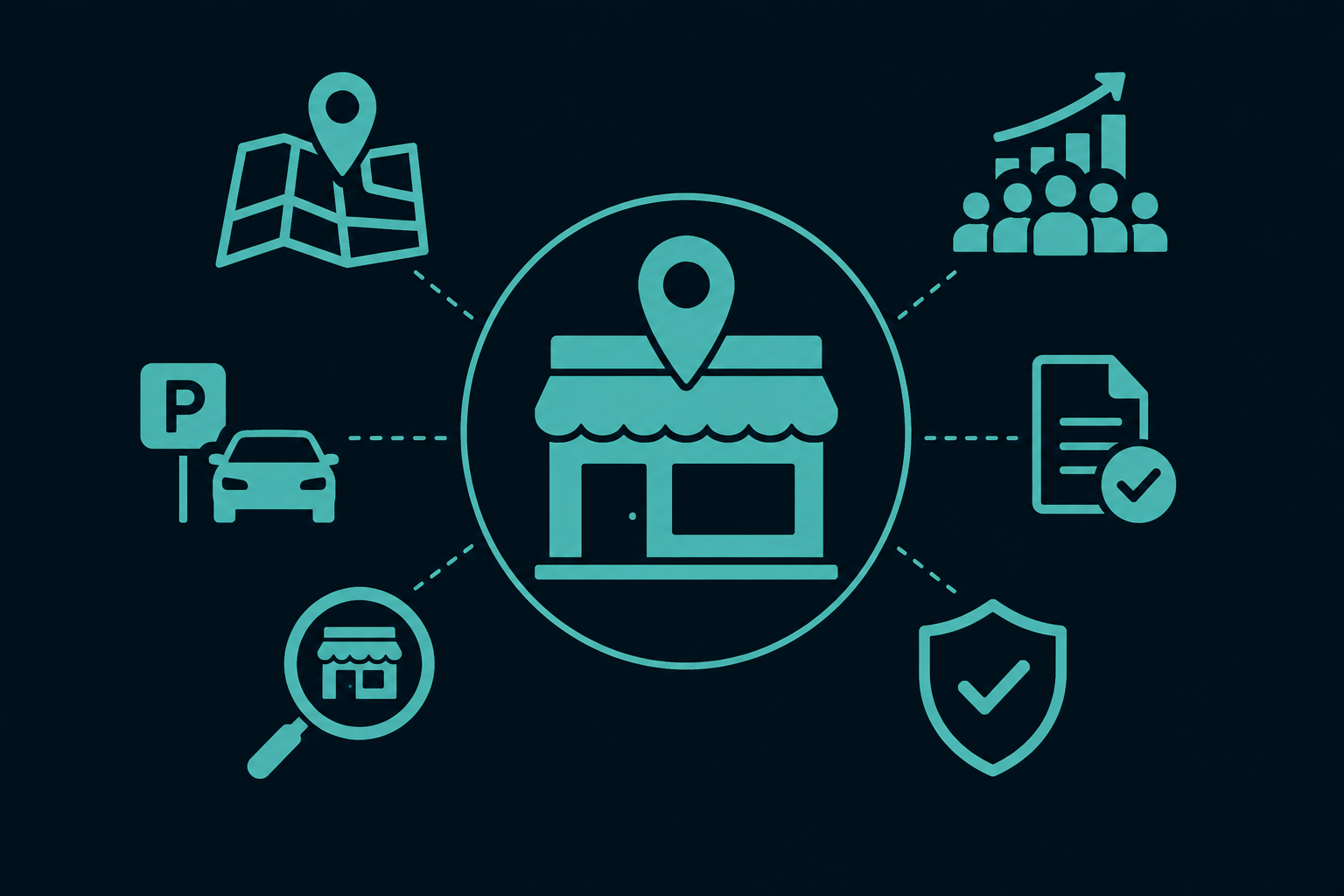
If the business operates from a commercial property, the location itself should be carefully reviewed as part of the due diligence process, since factors like lease terms and lease assignment, zoning compliance, accessibility, and long-term suitability can all have a significant impact on the future success and stability of the business.
Review the lease, zoning, permits, insurance, maintenance obligations and any upcoming capital requirements. If real estate is included in the purchase, the investigation becomes even more important.
BDC recommends reviewing the physical condition, legal status, financial situation and environmental considerations when a commercial building is part of an acquisition.
The building may be part of the value of the transaction, but it can also create significant liabilities if problems are missed.
10. Build a Team and Be Willing to Walk Away
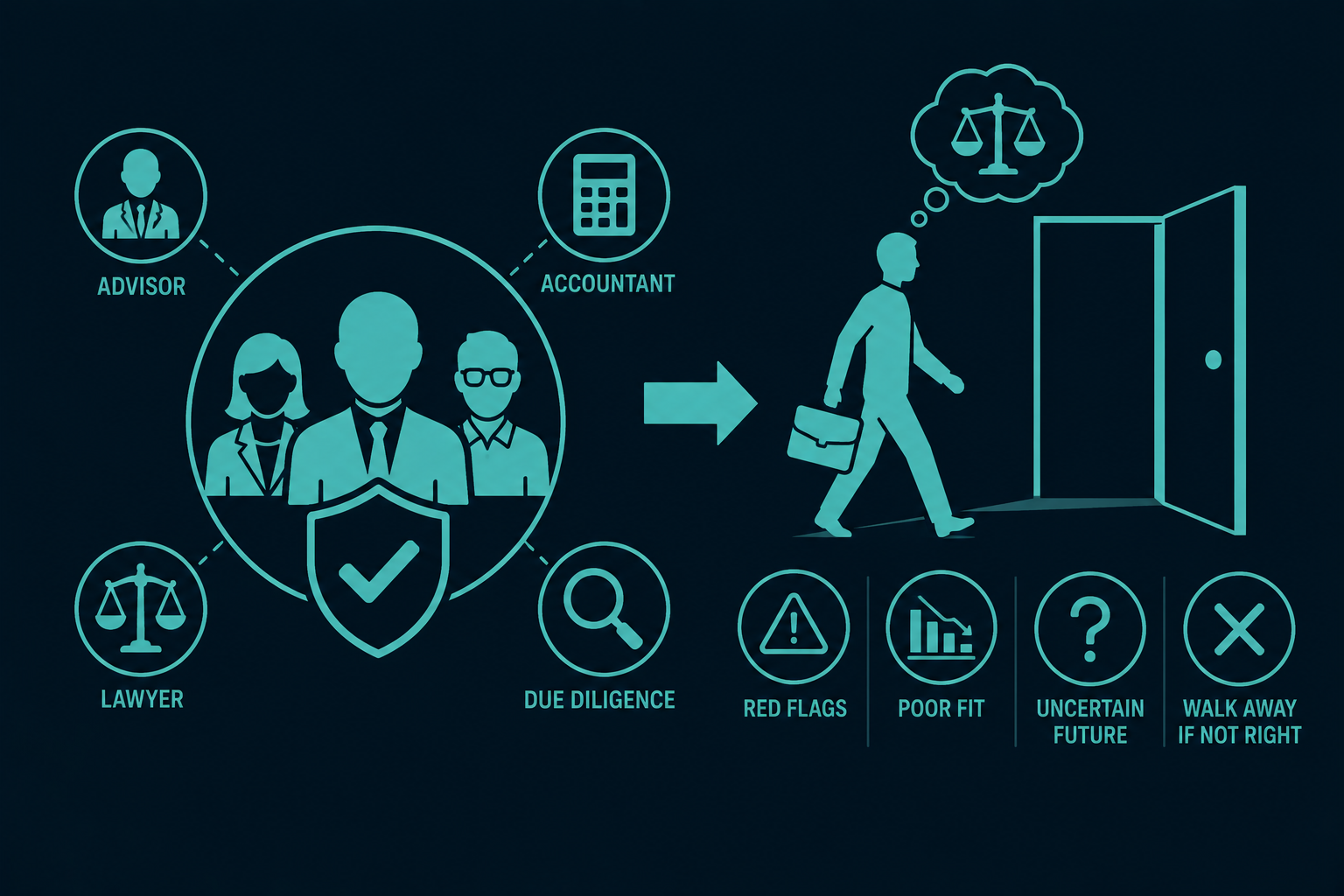
One of the most common and costly mistakes buyers make is attempting to handle the entire acquisition process on their own. Buying a business involves financial analysis, legal review, tax considerations and operational assessment, all of which require different areas of expertise. Without the right support, it is easy to overlook important details that can significantly affect the value or risk of the deal.
You may understand the industry better than anyone else, but that does not necessarily mean you are qualified to identify every accounting, tax or legal issue.
You should also make sure you are financially prepared for the acquisition, and our guide on how to be bankable when buying a business explains some of the things lenders look for when evaluating a buyer.
At a minimum, consider working with:
- An experienced business broker
- An accountant familiar with acquisitions
- A lawyer experienced in business purchases
- A lender or financing professional
Depending on the business, you may also need specialists in areas such as information technology, environmental issues, human resources or commercial real estate.
BDC recommends bringing qualified professionals into the process and emphasizes that their fees can be relatively small compared with the potential cost of missing a serious problem.
Most importantly, do not ignore negative information because you are excited about buying the business.
If the numbers do not make sense, ask why. If sales are falling, investigate the reason. If the seller cannot provide documents, find out why.
Sometimes good due diligence confirms that you have found a great business. Other times, it tells you to renegotiate the price or walk away.
An Interesting Canadian Business Statistic
There is a good reason buyers need to take this process seriously.
According to Innovation, Science and Economic Development Canada, 63 percent of businesses that started with one to four employees were still operating after five years. For businesses that started with 20 to 99 employees, the five year survival rate was 75 percent. After 10 years, those rates were 44.7 percent and 56 percent respectively.
These numbers do not mean a particular business will fail. They do show that owning and operating a business involves real risk.
When you buy an established company, due diligence gives you the opportunity to understand that risk before you put your money into the deal.
Due Diligence Is About Verification
The simplest way to think about due diligence is this: trust, but verify.
You are not trying to find a reason to kill every deal. You are trying to understand exactly what you are buying.
A good due diligence process should help you answer some basic questions. Is the business actually profitable? Are the profits sustainable? Are the customers likely to stay? Are there hidden liabilities? Is the asking price reasonable? What could go wrong after closing?
That is where we come in. We handle comprehensive due diligence and much more to ensure every detail of the transaction is thoroughly examined and your interests are protected.
Before you get too far into the process, it is also worth understanding how to buy a business step by step so you know what to expect at each stage of the transaction.
BDC notes that business acquisition due diligence can take six to 12 weeks or longer depending on the complexity of the transaction.
That might feel like a long time when you are excited about buying a business. But spending a few extra weeks investigating a deal is much better than spending years trying to fix a bad one.
Before buying a business, take your time, ask difficult questions and get professional advice. The goal is not to eliminate every risk. The goal is to understand the risks well enough to make a smart decision.